In industrial settings, safety is of paramount importance, and one of the most effective ways to ensure a secure working environment is through the use of valve lockout devices. These devices are essential for preventing accidental or unauthorized operation of valves during maintenance, repair, or other critical tasks. This article explores the importance, functionality, and applications of valve lockout devices in ensuring workplace safety.
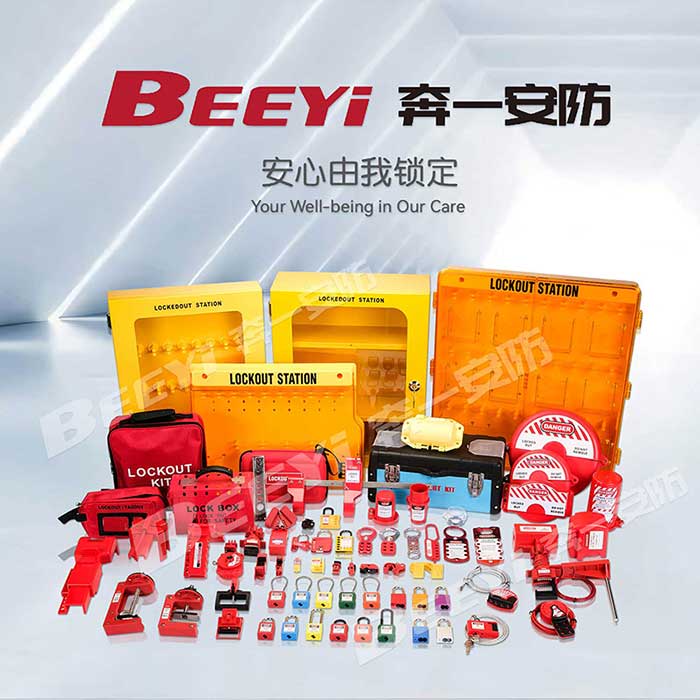
What is a Valve Lockout Device? A valve lockout device is a safety tool designed to prevent the accidental activation or manipulation of valves while maintenance or servicing is being conducted. When a valve is locked out, it cannot be operated, either manually or automatically, until the lockout device is removed. The purpose of this device is to ensure that the machinery or system remains inactive while workers are performing potentially hazardous tasks, thus reducing the risk of injuries or equipment damage. Valve lockout devices can be used on a variety of valves, including ball valves, gate valves, butterfly valves, and plug valves. These devices typically consist of a sturdy locking mechanism that fits over the valve handle, effectively immobilizing the valve and preventing any unauthorized or accidental operation.