In various industries, safety is paramount, particularly when it comes to the maintenance and operation of equipment that can contain or transport hazardous materials. The Valve Lockout Device is an essential safety tool that plays a critical role in preventing accidents related to the operation of valves during maintenance or repair work. This article explores the significance of valve lockout devices, their functionality, and their necessity in ensuring a safe working environment.
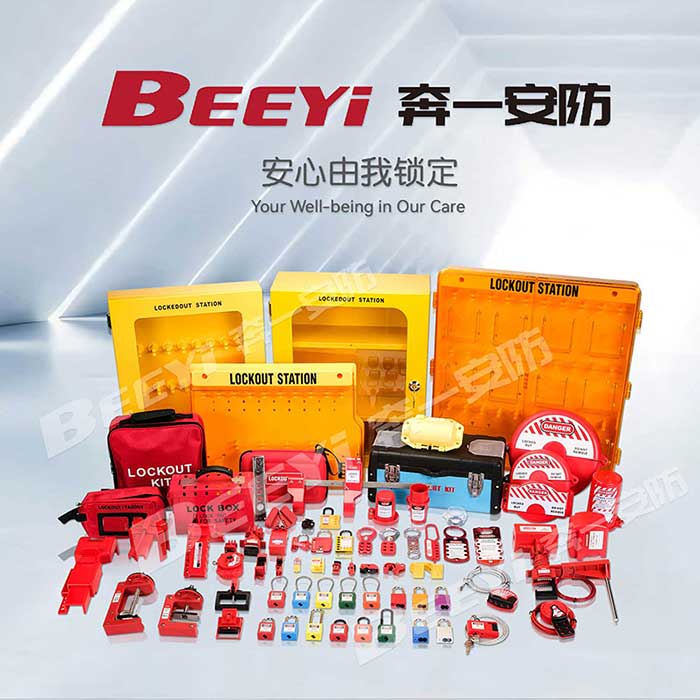
Understanding Valve Lockout Devices A Valve Lockout Device is specifically designed to secure valves in a closed position, preventing accidental openings that could potentially lead to catastrophic incidents. These devices are particularly vital in settings where energy sources, such as gas, steam, or hazardous liquids, are present. By physically immobilizing the valve, these devices effectively isolate systems to protect workers from unforeseen dangers while they perform maintenance tasks. The Functionality of Valve Lockout Devices Valve lockout devices come in various designs and types to accommodate different kinds of valves—whether they are gate valves, ball valves, or butterfly valves. Most of these devices operate on a straightforward principle: they are attached to the valve handle and locked in place using a padlock or other locking mechanism. This ensures that even if someone tries to operate the valve, it remains securely locked in the designated position.