As electric vehicles (EVs) continue to gain popularity in today’s automotive market, it is vital to understand the intricate components that contribute to their efficient and safe operation. Among these components, the precharge relay holds significant importance. This article delves into the functioning, advantages, and design considerations of the precharge relay for electric vehicles, illuminating its crucial role in the EV ecosystem.
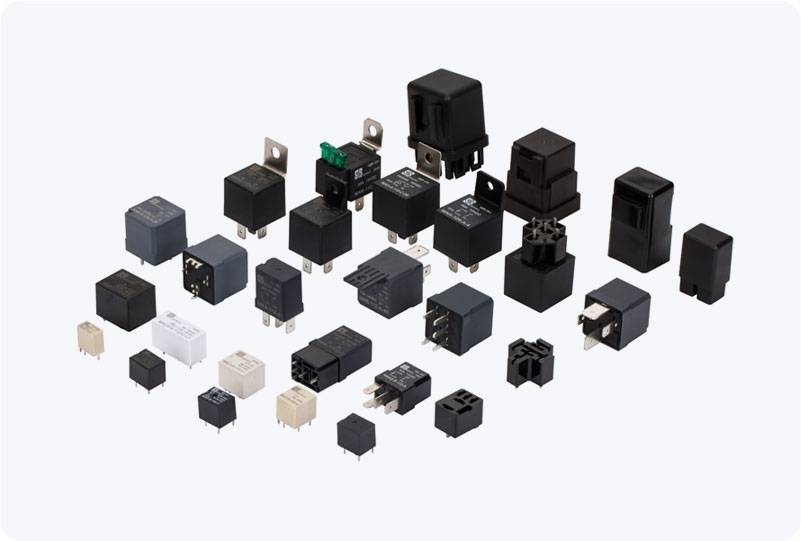
What is a Precharge Relay? The precharge relay is an electrical component designed to gradually connect the high-voltage battery of an electric vehicle to its powertrain system, particularly the inverter and other electronic systems. This process is critical for preparing the vehicle’s electrical components for operation without causing damage due to sudden high-inrush currents. The Working Principle of Precharge Relay When an EV is initiated, the precharge system activates before the main power relay. Upon turning the ignition key or pressing the start button, the precharge relay closes, allowing a controlled flow of electricity to the power electronics. This controlled method serves to precharge the capacitors within the inverter and other components, ensuring that voltage levels rise gradually, thus minimizing any potential electrical arcing or damage.