In today’s industrial environments, ensuring worker safety is paramount. One of the critical methods to safeguard employees during maintenance and repair work is the Lockout/Tagout (LOTO) procedure, which involves the use of safety locks to prevent the accidental activation of machinery or equipment. Among the various components of the LOTO procedure, the LOTO safety lock plays a crucial role in protecting workers from hazardous situations. This article explores the significance of LOTO safety locks, how they work, and why they are essential in maintaining workplace safety.
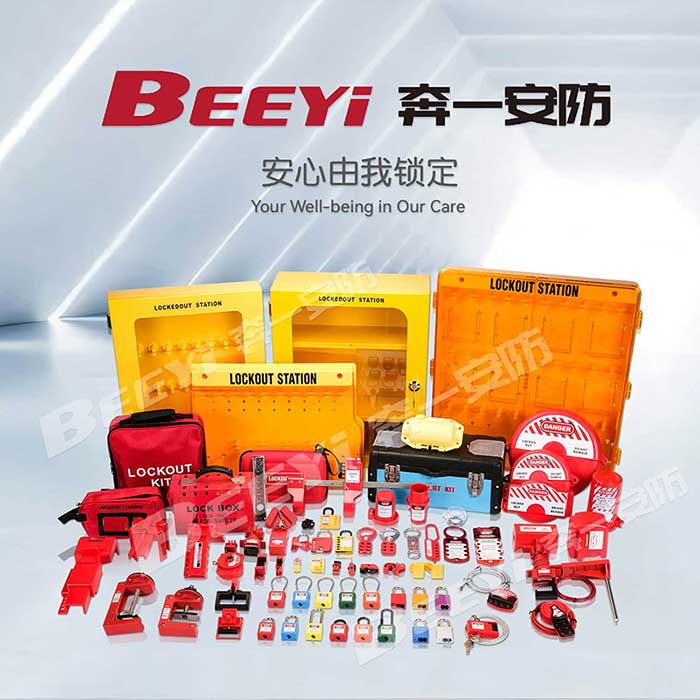
What is a LOTO Safety Lock? A LOTO safety lock is a device used to secure machinery or equipment during maintenance, repairs, or service. The primary function of these locks is to ensure that the equipment cannot be accidentally started or activated while someone is working on it. They are typically applied to energy-isolating devices, such as circuit breakers, valve handles, or machine switches. When the lock is engaged, only the person who applied it can remove it, ensuring that unauthorized personnel cannot operate the equipment during maintenance activities. The LOTO safety lock is usually accompanied by a tag, which provides additional information about the work being performed and the individual responsible for the lockout. These tags are often color-coded and contain important details, such as the worker’s name, the date the lock was applied, and the reason for the lockout.