Lock Out Tag Out (LOTO) is a critical safety procedure implemented in various industrial and manufacturing settings to protect workers from accidental equipment startup during maintenance and repair tasks. Whether it’s an assembly line in a factory or a complex piece of machinery in a power plant, applying LOTO procedures effectively reduces the risk of injury and fatality. This article delves into the significance of Lock Out Tag Out, its procedures, benefits, and regulatory framework.
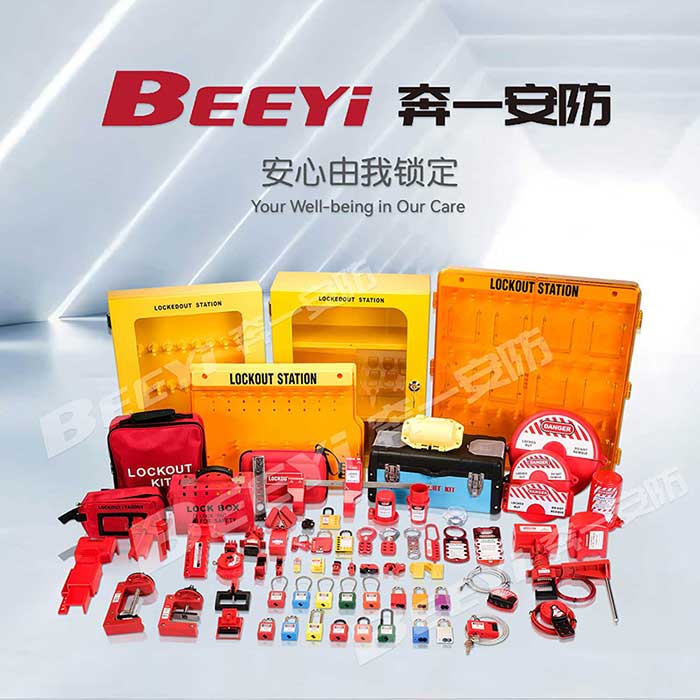
At its core, Lock Out Tag Out involves two main components: “locking out” and “tagging out.” Locking out refers to the physical act of securing energy sources like electricity, hydraulics, or pneumatics with a lock to prevent machines from being inadvertently turned on. Tagging out involves placing a visible tag on the equipment, which alerts personnel that maintenance is in progress and warns them not to operate the machinery until the tag is removed. Importance of Lock Out Tag Out The primary goal of LOTO is to ensure the safety of workers during maintenance activities. Accidental startup of machines can cause severe injuries, sometimes even fatalities. According to the Occupational Safety and Health Administration (OSHA) in the United States, there are numerous reported injuries—some resulting in loss of limbs or lives—due to failure to properly implement LOTO procedures. With proper training and adherence to LOTO, these tragic incidents can be significantly reduced.