Lock Out/Tag Out (LOTO) equipment plays a crucial role in safeguarding workers in industries where hazardous energy sources are prevalent. In workplaces where machinery, electrical systems, or equipment are maintained or serviced, the risks of accidental energy release can result in severe injuries or even fatalities. Lockout/tagout procedures, which include the use of specific lockout equipment, help ensure that these energy sources are properly isolated and that workers are protected from harm during maintenance. In this article, we will explore the significance of lockout equipment, its application in various industries, and its role in enhancing workplace safety.
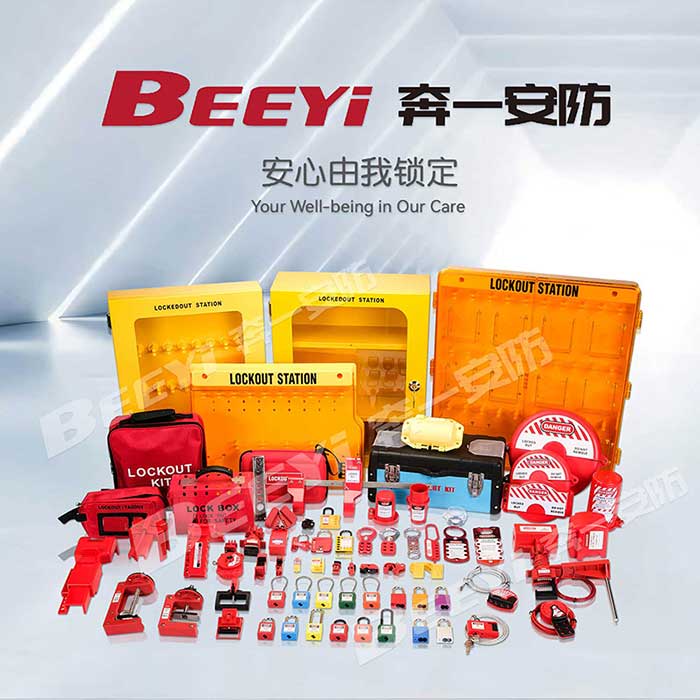
What is Lock Out/Tag Out Equipment? Lock Out/Tag Out refers to a set of safety procedures used to prevent the accidental release of hazardous energy while workers are performing maintenance or servicing tasks on machinery or equipment. Lockout equipment, in particular, involves devices like locks, tags, and other tools used to secure energy-isolating devices in a safe position, ensuring that they cannot be accidentally activated while maintenance is being carried out. Lockout equipment typically includes: Locking Devices: These are physical locks that prevent equipment from being operated, ensuring that energy sources (electrical, hydraulic, pneumatic, etc.) are isolated. These locks can be applied to electrical panels, valves, or machinery switches.