In industrial settings, safety is of paramount importance, and one of the most critical safety measures involves the use of lock out equipment. Lockout procedures are essential for preventing accidental equipment start-ups, which can lead to severe injuries or even fatalities. Lockout equipment, part of a larger safety system known as Lockout-Tagout (LOTO), ensures that machinery is properly de-energized and cannot be inadvertently reactivated during maintenance, repair, or service activities. This article explores the significance of lock out equipment, how it works, and why it is an essential part of workplace safety.
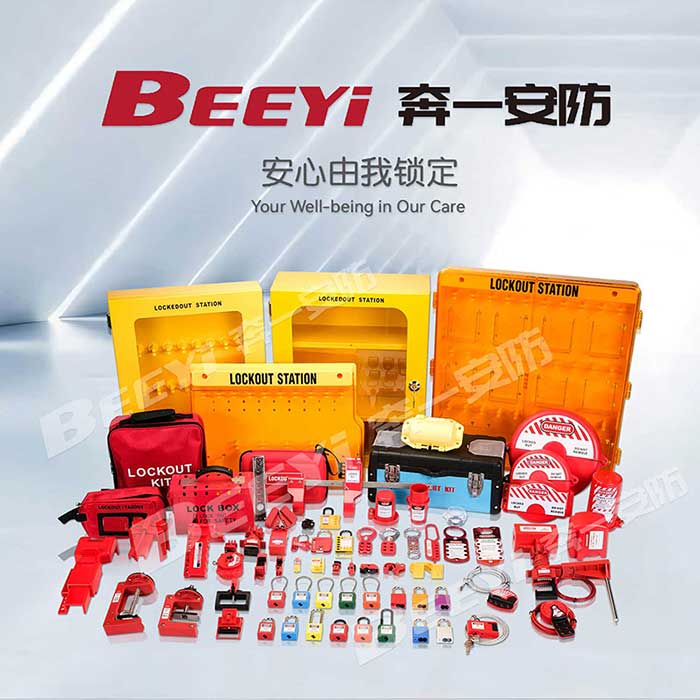
Understanding Lock Out Equipment Lock out equipment refers to tools and devices used to isolate machines or equipment from their energy sources during maintenance or repair. This process is crucial for safeguarding workers from potential injuries caused by the unexpected release of hazardous energy. According to the Occupational Safety and Health Administration (OSHA), “hazardous energy” can come from various sources such as electrical, mechanical, hydraulic, pneumatic, chemical, or thermal. When workers perform maintenance on equipment that operates under these energy forms, lockout procedures must be followed to ensure their protection.