In industrial and manufacturing environments, ensuring the safety of workers is a top priority. One of the critical safety measures implemented to reduce workplace accidents is the use of equipment lockout tags. These tags, combined with lockout devices, play a vital role in preventing the accidental activation of equipment during maintenance or repair. This article will explore the significance of equipment lockout tags, how they are used, and the regulatory frameworks that support their implementation.
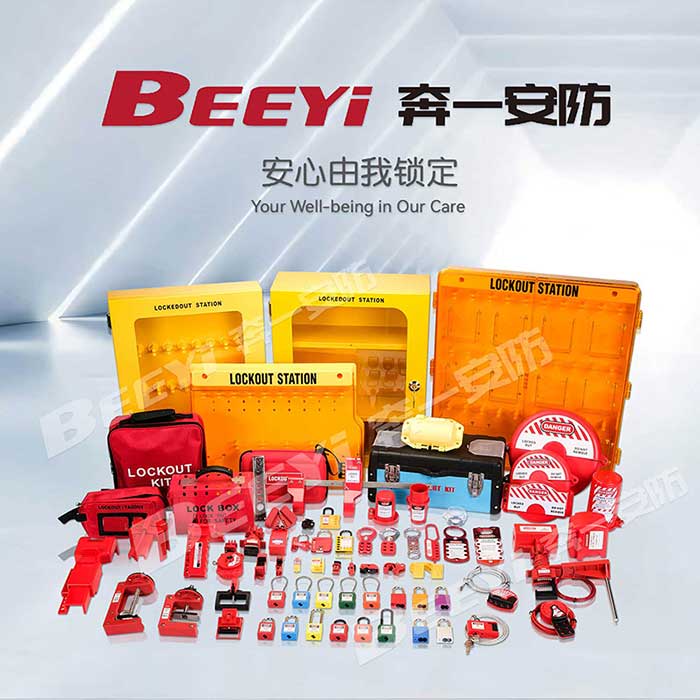
What Are Equipment Lockout Tags? Equipment lockout tags are warning devices attached to machinery or electrical systems to indicate that the equipment has been locked out and is not to be operated. These tags are often used as part of a broader lockout/tagout (LOTO) system, a safety protocol aimed at protecting workers from accidental machine start-ups while they are performing maintenance tasks. Lockout devices physically block energy sources, such as electrical power, gas, or hydraulic pressure, while the tag serves as a visual indicator that the equipment is unsafe to operate. The tag typically includes important information such as the name of the worker responsible for the lockout, the date, and the specific reason for the lockout.