In any industrial or manufacturing environment, worker safety is paramount. One of the most effective methods of preventing accidents and injuries associated with hazardous machinery is the use of electrical lockout tags. These tags play a crucial role in protecting workers during maintenance or repair procedures by ensuring that machinery or electrical systems cannot be accidentally powered on while being serviced. This article explores the importance, components, and application of electrical lockout tags in modern workplaces, as well as their role in compliance with safety regulations.
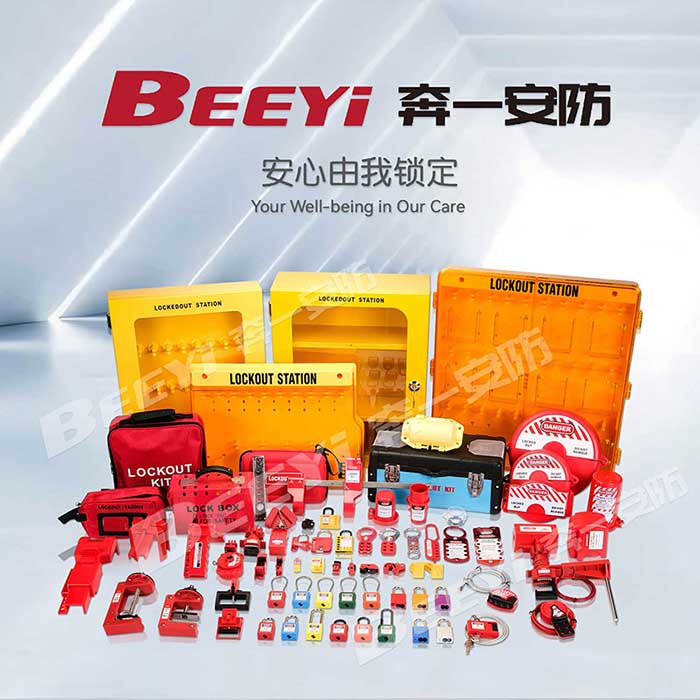
What are Electrical Lockout Tags? Electrical lockout tags are a part of a broader safety system known as Lockout/Tagout (LOTO). This system is designed to prevent the unintentional release of hazardous energy, such as electrical power, while machinery is undergoing maintenance. Lockout refers to the physical locking of machinery’s energy-isolating devices, while tagging involves attaching a clear, highly visible warning tag to the locked device. Electrical lockout tags are specifically used for electrical systems, warning workers not to energize or operate equipment that is being repaired or serviced.