Lockout/Tagout (LOTO) devices are essential tools in ensuring workplace safety, especially in industries where maintenance and servicing of heavy machinery are routine. The core function of LOTO devices is to prevent the accidental release of hazardous energy during the maintenance or repair of equipment. This practice is crucial in protecting workers from serious injuries, and it has been a staple in safety regulations for workplaces dealing with industrial machinery, electrical systems, and other potentially dangerous equipment.
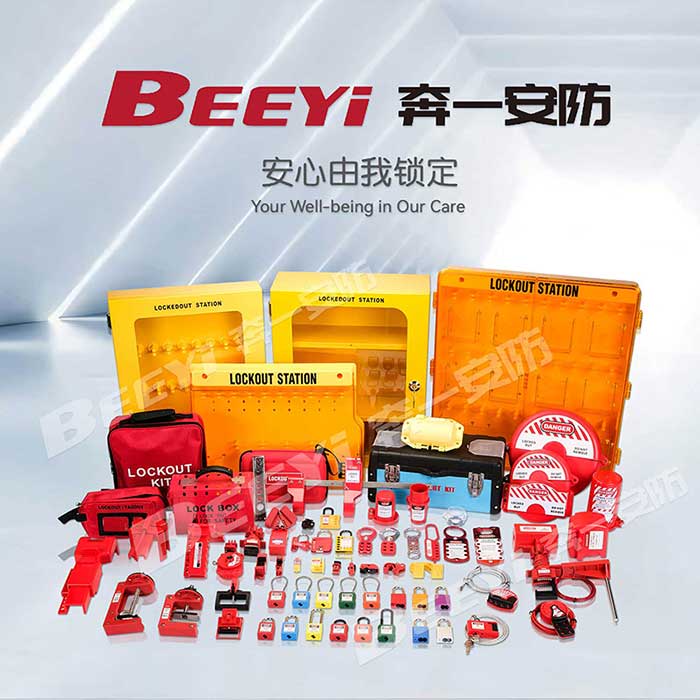
What is a LOTO Device? LOTO is a safety procedure that involves the use of devices to lock and tag equipment to ensure that it cannot be operated while maintenance work is being performed. The LOTO system consists of two primary components: the lockout and tagout devices. The lockout device physically locks energy-isolating equipment, such as electrical switches, valve handles, or circuit breakers, while the tagout device is a warning label or tag that indicates the equipment is being serviced and should not be operated. LOTO devices are typically used in environments like manufacturing plants, power plants, and construction sites where workers interact with dangerous machinery or equipment. By applying a LOTO device, a worker ensures that the equipment will remain in a safe state, preventing unintentional startup or release of hazardous energy that could cause injury or even death.