In the fast-paced world of industrial operations, safety is paramount. One key aspect of ensuring worker safety is the effective use of pneumatic lockouts. Pneumatic lockouts are specialized safety devices designed to prevent the accidental activation of pneumatic tools and equipment during maintenance or repair work. This article will explore the significance of pneumatic lockouts, their applications across various industries, and best practices for implementation.
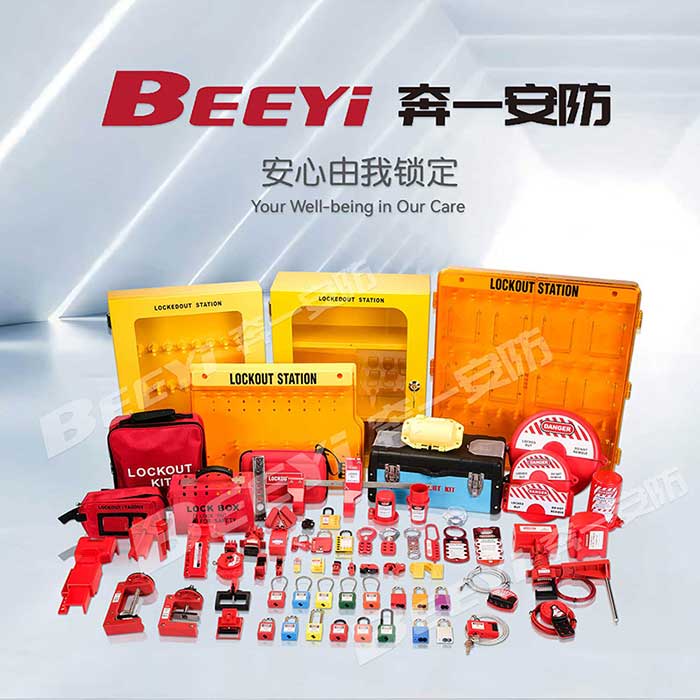
Understanding Pneumatic Lockouts Pneumatic lockouts function by physically locking the air supply of pneumatic tools or machinery, thereby ensuring that the equipment cannot be activated while an employee is working on it. They are essential components of a comprehensive lockout/tagout (LOTO) program, which is designed to prevent injuries caused by unexpected machine start-ups during maintenance. By interrupting the flow of air, pneumatic lockouts play a critical role in protecting workers from potential hazards. Applications of Pneumatic Lockouts Manufacturing Sector: The manufacturing industry is one of the primary users of pneumatic tools, including pneumatic drills, riveters, and cylinders. Pneumatic lockouts are implemented to safeguard employees during maintenance tasks. For instance, if a maintenance worker needs to repair a pneumatic press, a lockout device will ensure that the machine cannot be accidentally activated, thus preventing injuries.