In the world of electrical engineering and machinery, ensuring the longevity and efficiency of electric motors is of paramount importance. Electric motors are used across various applications, from industrial machinery to household appliances. One of the key components that plays a crucial role in protecting these motors is the Motor Overload Relay. This device serves as a guardian against overcurrent conditions that can lead to serious damage if left unchecked. In this article, we will explore the function, types, applications, and maintenance of the Motor Overload Relay, emphasizing its importance in safeguarding electric motors.
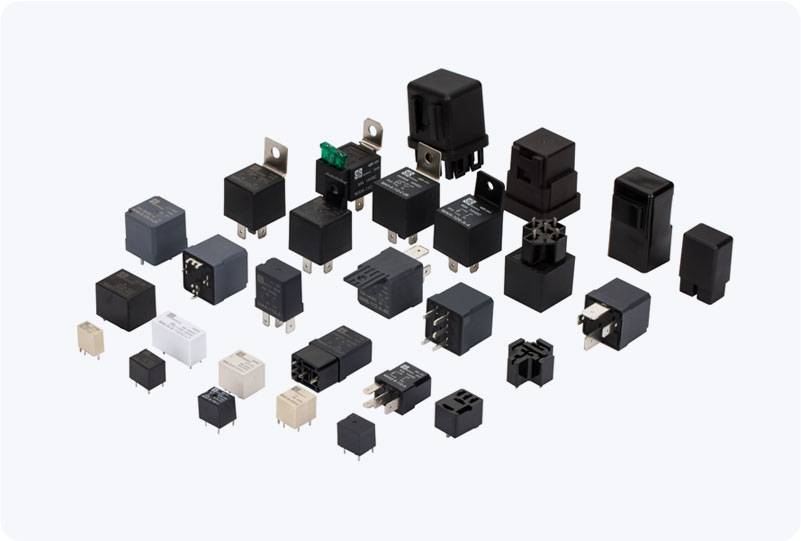
Understanding the Motor Overload Relay At its core, a Motor Overload Relay is a type of protective relay that monitors the electrical current flowing to an electric motor. It is designed to detect overloading conditions, which occur when a motor operates at a current above its rated capacity for a prolonged period. Such conditions can lead to overheating, insulation failure, or even catastrophic motor failure. The Motor Overload Relay ensures that if an overcurrent situation arises, the motor is promptly disconnected from the power source to prevent damage. How Does It Work? The operation of a Motor Overload Relay is based on continuous monitoring of the electrical current. Typically, the device utilizes either thermal or electronic methods to assess motor conditions: