In today’s fast-paced industrial and commercial environments, the safety of workers is of paramount importance. One of the key components in ensuring a secure workplace is the implementation of Lock Out Padlocks. These specialized padlocks play a vital role in the Lockout/Tagout (LOTO) procedure, which is designed to prevent accidental machine start-ups during maintenance or repair tasks. Understanding the significance, features, and applications of Lock Out Padlocks can help organizations enhance workplace safety and compliance with regulatory requirements.
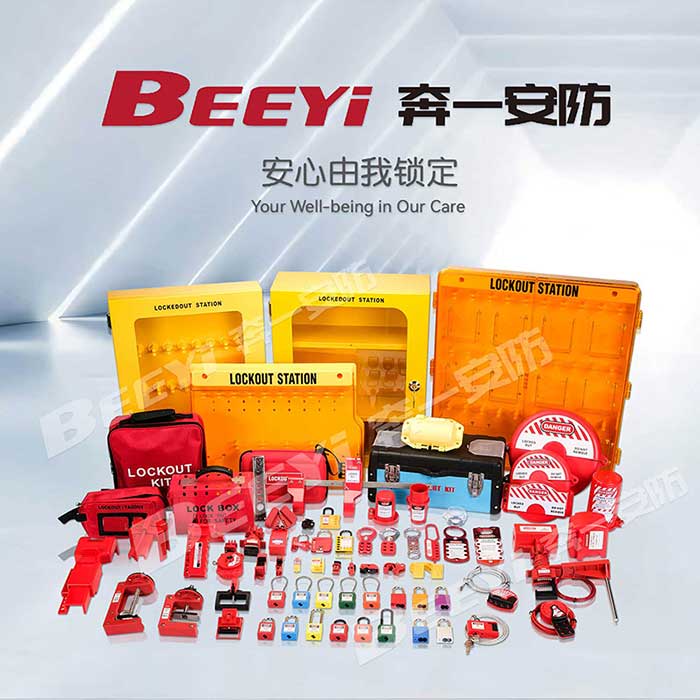
What are Lock Out Padlocks? Lock Out Padlocks are high-security padlocks used to secure energy-isolating devices in various machinery and equipment. When a machine is taken out of service for maintenance, technicians apply a Lock Out Padlock to ensure that it cannot be re-energized until the repair work is complete. The key to these padlocks is often exclusively possessed by the authorized personnel involved in the maintenance process, effectively preventing unauthorized access or accidental machine operation. Key Features of Lock Out Padlocks Unique Identification: Each Lock Out Padlock is usually distinct in design, color, or key type, making it easy to identify which lock belongs to which worker or maintenance task. This unique identification helps streamline the lockout process and ensures that only authorized personnel can access the equipment.