In the world of electrical engineering and power distribution, protecting electrical circuits and equipment from faults is a fundamental task. One of the most crucial components in this protective system is the Circuit Breaker Relay. This device plays a pivotal role in safeguarding both low and high-voltage electrical systems, ensuring the safety of equipment and personnel. This article explores the essential functions, working principles, and applications of Circuit Breaker Relays, shedding light on their significance in modern electrical infrastructure.
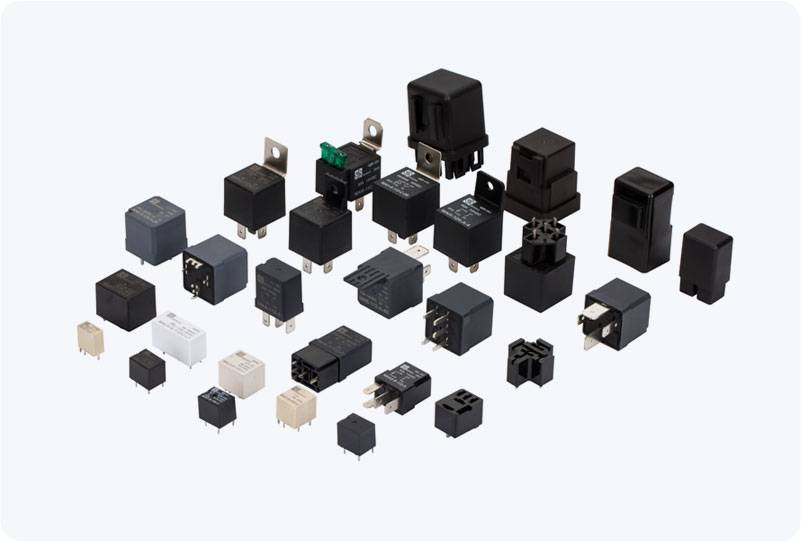
What is a Circuit Breaker Relay? A Circuit Breaker Relay is a protective device used to monitor and detect electrical faults, such as overcurrent, short circuits, or abnormal voltages in an electrical circuit. Once a fault is detected, the relay sends a signal to the circuit breaker to open or close the electrical circuit, effectively disconnecting the affected portion and preventing damage to equipment or hazards like fires. While the circuit breaker itself physically interrupts the electrical flow, the relay acts as the brain that decides when to trigger the breaker. The relay continuously monitors the current, voltage, and other parameters of the circuit, making real-time decisions based on preset thresholds. By doing so, it ensures that only the faulty part of the system is isolated, minimizing downtime and damage.