In the realm of electrical engineering and applications, the components that facilitate control and safety are unparalleled in their importance. Among these, the 12V 100A relay stands out as a pivotal device that plays an essential role in managing high-current loads. This article delves into the functionalities, features, applications, and advantages of the 12V 100A relay, emphasizing its significance in today’s electrical systems.
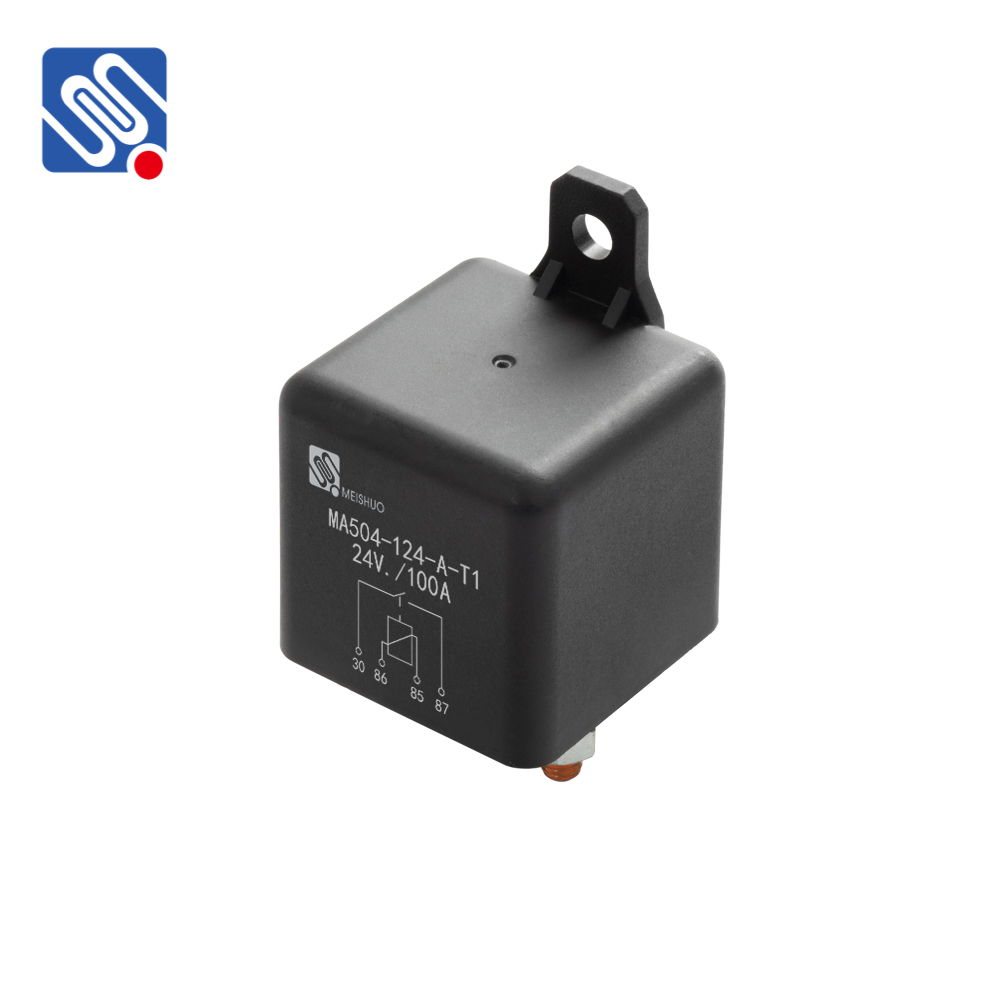
Understanding the 12V 100A Relay A relay is an electromagnetic switch that allows a low-power signal to control a higher-power circuit. The 12V 100A relay operates at a nominal voltage of 12V, capable of handling a current load of up to 100 amperes. This capability makes it ideal for applications that require switching powerful equipment or appliances without exposing sensitive control circuits to high currents. How It Works When a voltage is applied to the relay’s coil (in this case, 12V), it generates a magnetic field that pulls a movable armature, closing a set of contacts. This action completes an electrical circuit that can power larger devices, ranging from automotive accessories to industrial machinery. The relay essentially acts as a bridge, allowing a low-power input to control a high-power output, thereby ensuring that delicate electronic components do not get damaged by heavy current loads.