TE Connectivity is a global leader in the design and manufacturing of electronic components, with a wide range of products used in various industries such as automotive, industrial automation, telecommunications, and consumer electronics. Among their comprehensive product portfolio, TE Connectivity relays stand out as crucial components in electrical systems, offering high reliability, durability, and performance. In this article, we will explore the different types of relays offered by TE Connectivity, their features, applications, and why they are essential in ensuring the reliability of modern electronic systems.
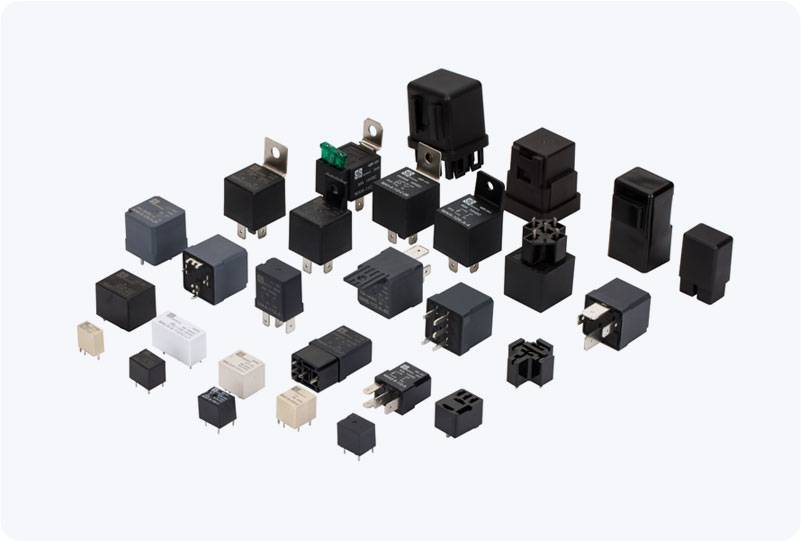
Understanding Relays and Their Importance A relay is an electrically operated switch that allows low-power signals to control high-power electrical circuits. When the coil of a relay is energized, it generates a magnetic field that moves a contact, allowing current to flow in a different circuit. Relays are used to isolate control and power circuits, protect sensitive components, and enable automation in various systems. TE Connectivity’s relays are designed to meet the needs of a wide variety of applications. Their relays are known for their robust construction, ensuring that they can operate efficiently even in the most demanding environments. With the increasing demand for automation, reliability, and safety in electrical systems, TE Connectivity relays have become an indispensable part of modern technology.