Solenoid valves are widely used in modern fluid control systems due to their ability to automatically regulate the flow of liquids and gases. Among the many types available on the market, Stainless Steel and Plastic Solenoid Valve models are two of the most commonly used options. Each material offers unique advantages, making them suitable for different environments and industrial applications. Understanding their characteristics, benefits, and limitations can help engineers and system designers choose the most appropriate valve for their needs.
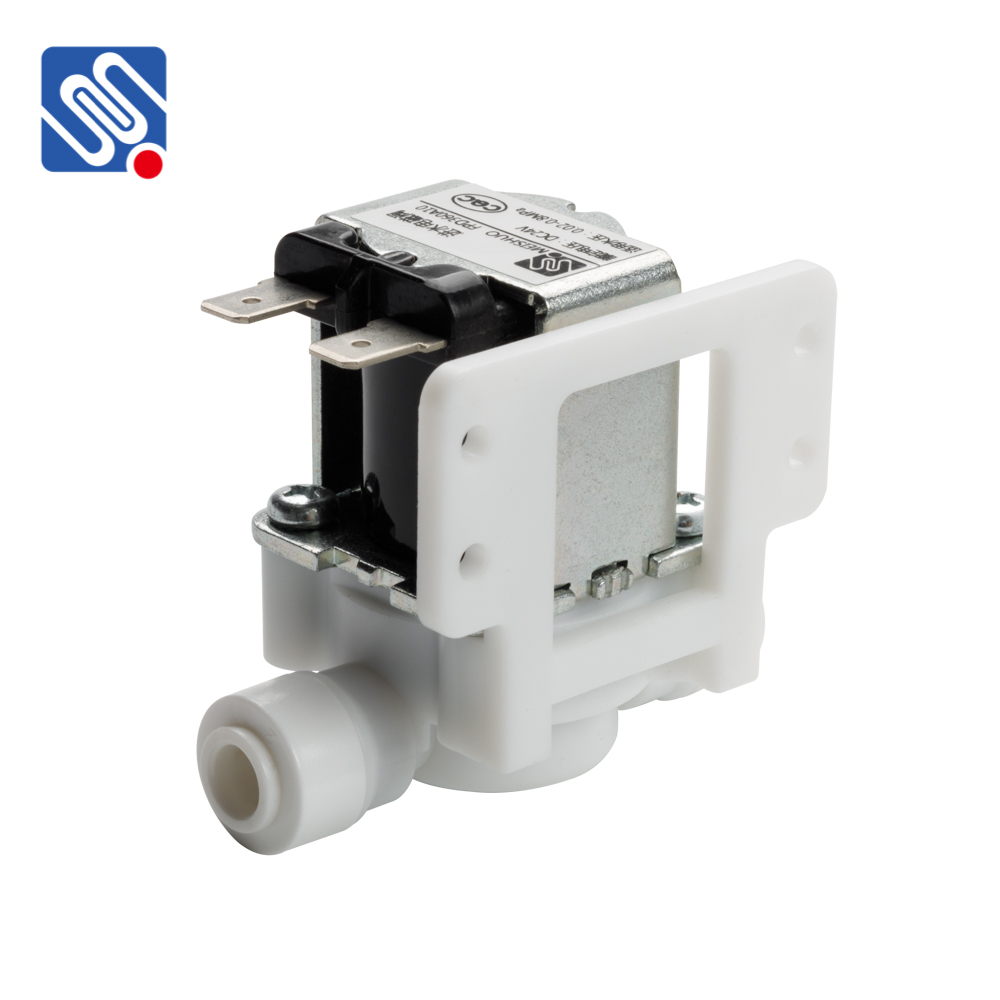
A solenoid valve operates using an electromagnetic coil that controls the opening and closing of the valve. When electrical power is applied, the coil generates a magnetic field that moves an internal plunger, allowing the fluid to pass through or stopping the flow. This simple yet effective design makes solenoid valves ideal for automation systems, where quick and reliable control of fluids is essential. Stainless Steel Solenoid Valves are known for their strength, durability, and resistance to corrosion. They are typically manufactured from stainless steel grades such as 304 or 316, which are widely used in industries that require high hygiene standards and chemical resistance. Because stainless steel is highly resistant to rust and extreme temperatures, these valves are commonly used in industries such as chemical processing, pharmaceuticals, food and beverage production, and marine systems. In addition, stainless steel solenoid valves can handle higher pressures and temperatures compared to many other materials, making them suitable for demanding industrial environments.