Solenoid valves are crucial components in fluid control systems, where they manage the flow of liquids, gases, and steam automatically. Among the different types of solenoid valves, those made from stainless steel and plastic are particularly popular due to their diverse applications and unique properties. This article explores the features, advantages, disadvantages, and applications of stainless steel and plastic solenoid valves.
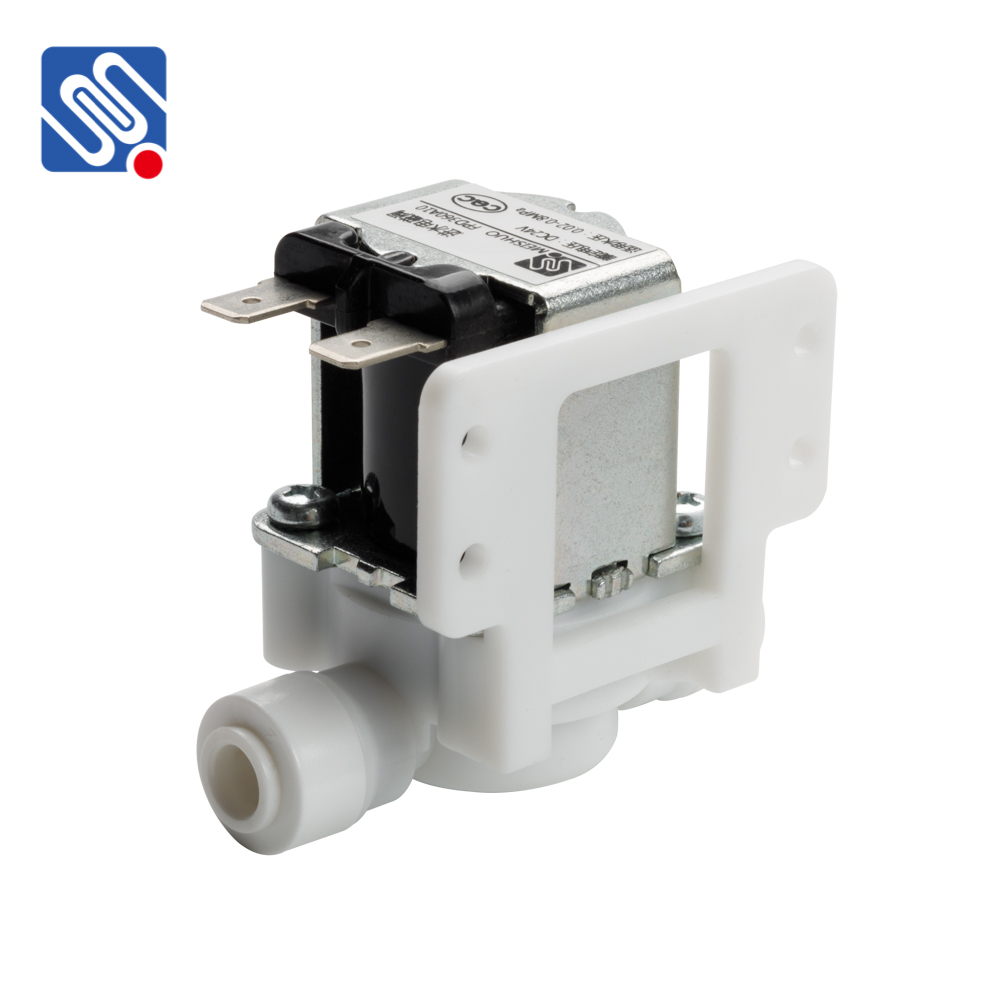
Introduction to Solenoid Valves A solenoid valve operates by using an electromagnetic coil to control the movement of a plunger or valve stem, which opens or closes the valve. This simple yet effective mechanism makes solenoid valves ideal for various automatic control systems. The material of construction—whether stainless steel or plastic—plays a significant role in determining the valve’s performance and suitability for specific applications. Stainless Steel Solenoid Valves Stainless steel solenoid valves are well-regarded for their durability, strength, and ability to withstand harsh conditions. Made from stainless steel alloys, these valves offer excellent resistance to corrosion, high temperatures, and high-pressure environments. They are designed to provide long-lasting performance even in aggressive media or extreme conditions.