Solenoid valves are integral components in fluid control systems, specifically when it comes to managing the flow of liquids. A solenoid valve for liquid control is designed to regulate, shut off, or direct the flow of liquids in various applications, from industrial automation to household systems. These valves use electromagnetic technology to perform their function, making them reliable, efficient, and fast-acting solutions for controlling fluid flow.
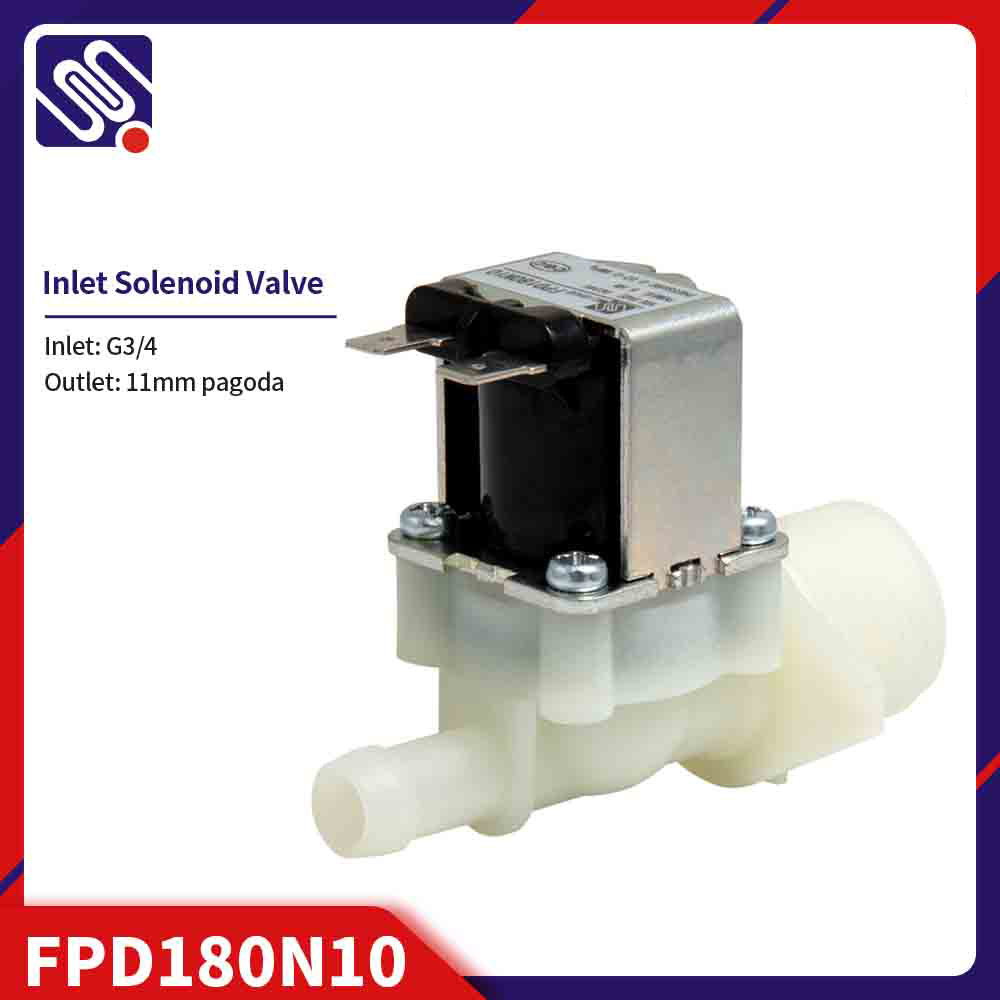
What is a Solenoid Valve? A solenoid valve consists of a coil of wire, known as the solenoid, which is electrically activated to control the opening or closing of the valve. When an electric current is passed through the solenoid coil, it creates a magnetic field, which then moves a metal plunger inside the valve. This action either opens or closes the valve, thereby controlling the flow of the liquid. In its most basic form, a solenoid valve functions as a simple on/off switch, but advanced versions offer more intricate control, including proportional and flow-regulating capabilities. How Solenoid Valves Work in Liquid Control