A solenoid valve for liquid control is a crucial component in modern automation systems, used to regulate the flow of liquids in a wide variety of industrial and residential applications. These electrically operated devices are vital for controlling liquid flow in systems such as water treatment plants, irrigation systems, and even in manufacturing processes. In this article, we will explore how solenoid valves work, their types, applications, and key considerations when selecting one for liquid control.
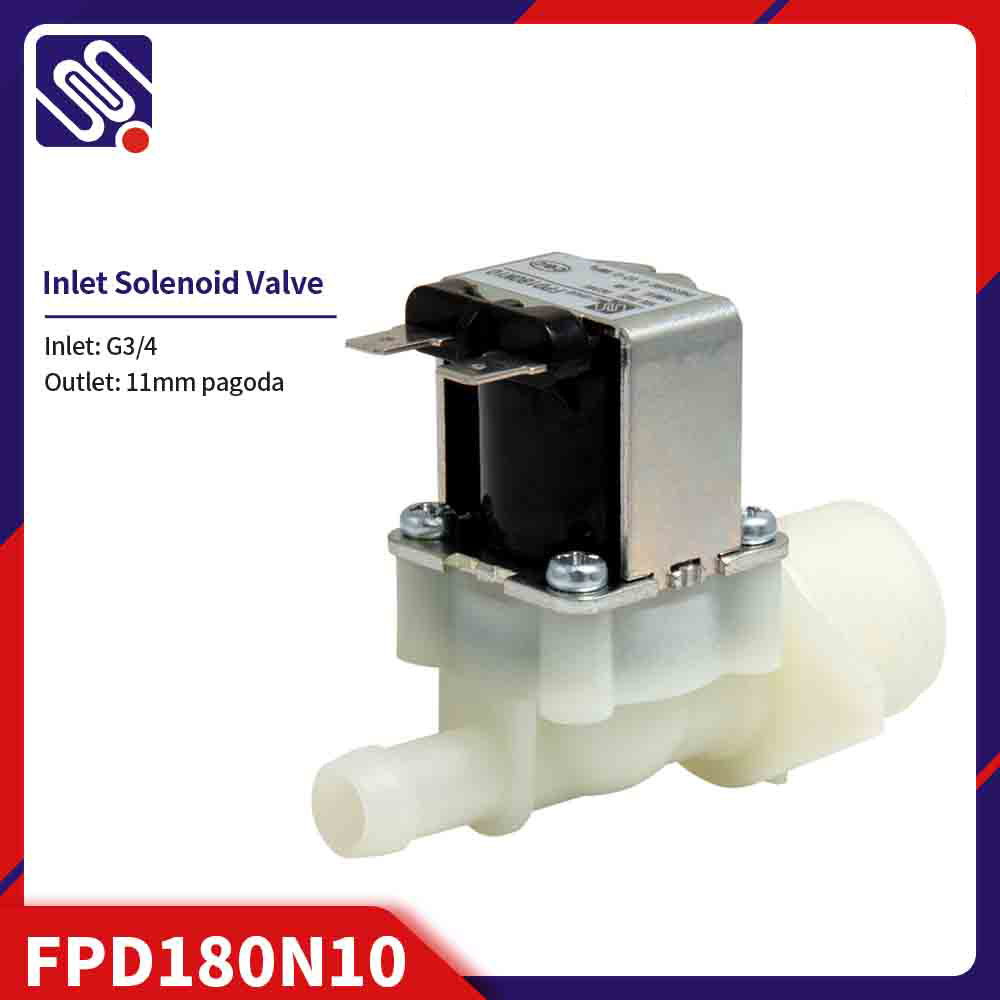
How Solenoid Valves Work At the core of the solenoid valve is a solenoid – an electromagnetic coil that, when energized, generates a magnetic field. This magnetic field moves a plunger or diaphragm inside the valve, which either opens or closes the valve’s flow path. When current flows through the solenoid, the plunger is pulled into the coil, opening the valve and allowing the liquid to flow. When the current is turned off, the spring or gravity moves the plunger back to its resting position, closing the valve and halting the flow. Solenoid valves operate on the principle of controlling the movement of a mechanical part through an electromagnetic field. These valves can be normally open (NO), where they remain open without electrical power, or normally closed (NC), where they stay closed when not powered.