In the world of industrial automation, ensuring the safety of both machinery and operators is paramount. One of the critical components used to achieve this goal is the Safety Relay, particularly in compliance with standards such as SO 12100, a part of the broader framework for safety-related control systems. Safety relays are integral to safeguarding human lives and preventing damage to expensive equipment in high-risk environments. This article delves into the importance of SO 12100 Safety Relay in industrial settings, examining its function, application, and benefits in enhancing operational safety.
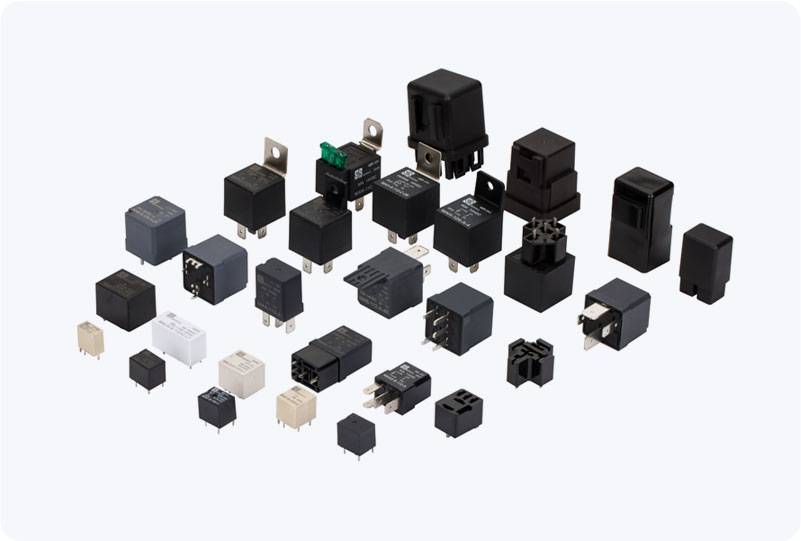
Understanding SO 12100 and Safety Relays SO 12100 refers to a standard that provides guidelines for the design and implementation of safety-related control systems within industrial environments. These guidelines are part of the broader IEC 61508 framework, which covers functional safety and addresses the risks associated with machinery, electrical systems, and automated processes. The key objective of the SO 12100 standard is to assess risks, implement safety controls, and ensure that systems can respond effectively in the event of a fault or emergency. Safety relays, as defined under the standard, are devices that monitor and control the functionality of safety-critical systems, ensuring that they operate reliably and meet the necessary safety requirements. These relays play an essential role in detecting faults, stopping machines in case of danger, and minimizing the risks posed by machine failure or human error. A Safety Relay typically works by receiving a signal from the safety control system and activating the necessary actions to prevent hazardous conditions from escalating.