In the world of construction, safety is paramount, particularly when working with complex systems such as scaffolding. Scaffolding, while essential for high-rise construction and maintenance, can pose significant safety risks if not managed correctly. One effective way to mitigate these risks is through the application of Scaffolding Lockout Tags. These tags are part of a broader safety protocol known as Lockout/Tagout (LOTO), which is designed to ensure that machinery and equipment are properly de-energized and cannot be accidentally activated during maintenance or construction activities. This article will explore the importance, application, and best practices of Scaffolding Lockout Tags in construction safety.
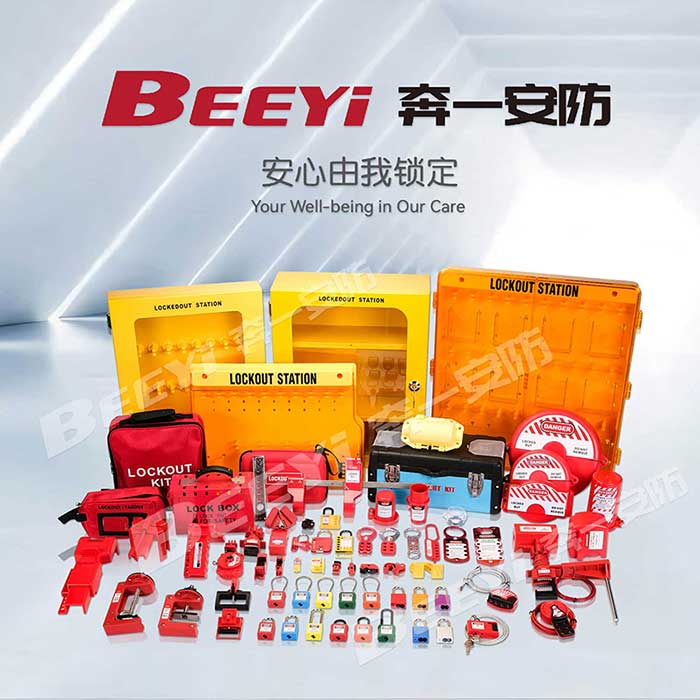
The Importance of Scaffolding Lockout Tags Scaffolding Lockout Tags serve a critical role in preventing accidents and injuries in construction sites. The fundamental purpose of these tags is to indicate that scaffolding or associated equipment is undergoing maintenance, inspection, or repair, and cannot be used until the work is completed. These tags are used during the lockout/tagout process, where equipment is physically secured (locked out) to prevent unauthorized or accidental operation. Without the proper use of lockout tags, there is a significant risk that workers could inadvertently operate or come into contact with dangerous equipment.