In the industrial landscape, safety valve locks play a critical role in ensuring operational safety, particularly in sectors dealing with hazardous materials such as oil, gas, and chemicals. These devices secure safety valves to prevent unintentional activation, thus safeguarding both personnel and equipment. As with any product, understanding the wholesale prices of safety valve locks requires an examination of various factors that influence costs. This article will delve into the key elements that affect safety valve lock wholesale prices, as well as current market trends.
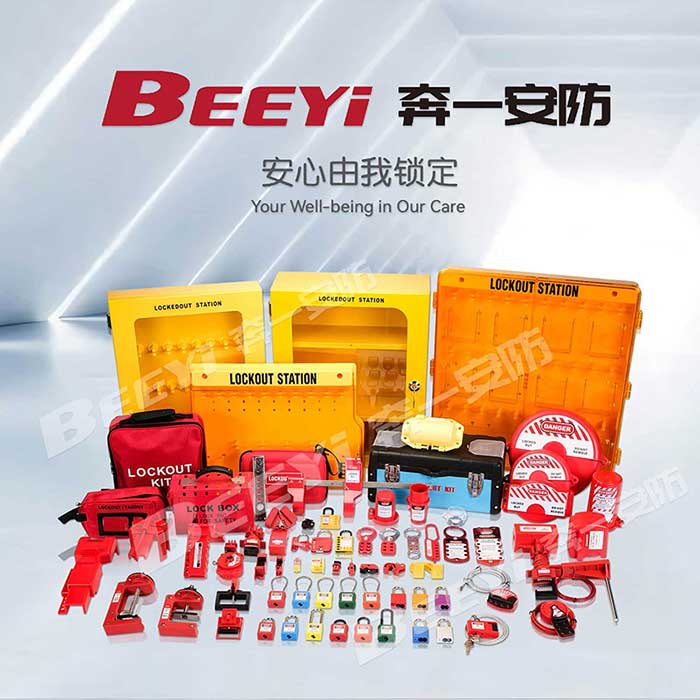
Material and Manufacturing Process The first major factor influencing the wholesale prices of safety valve locks is the material used in their construction. Common materials include aluminum, stainless steel, and high-quality plastics, each bringing different levels of durability, resistance to corrosion, and overall performance. For instance, stainless steel locks tend to be more expensive than aluminum counterparts owing to their robustness and resistance to harsh conditions. Moreover, specialized coatings or finishes may further elevate costs. The manufacturing process also plays a significant role. Locks that require intricate designs or undergo rigorous testing to meet safety standards may incur higher production costs. As manufacturers invest in automation and advanced technologies, the initial costs might rise, but economies of scale can help lower prices in large orders.