In various industries, ensuring the safety of workers during maintenance and servicing of machinery is paramount. One of the key strategies employed for achieving this goal is the Lockout/Tagout (LOTO) procedure, which involves the use of safety padlocks to control hazardous energy. This article delves into the significance of safety padlocks in the Lockout/Tagout process, their features, and their role in fostering a culture of safety in the workplace.
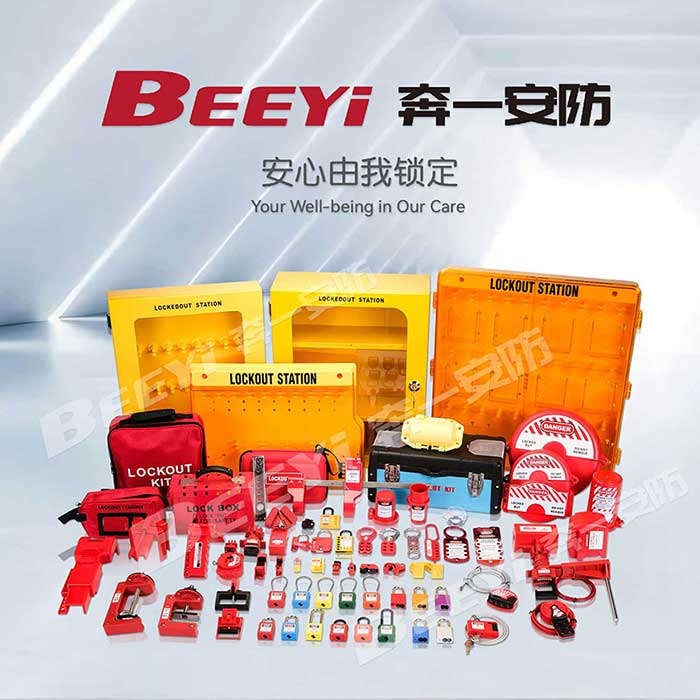
Understanding Lockout/Tagout (LOTO) Lockout/Tagout refers to a safety procedure designed to prevent the accidental startup or release of hazardous energy during maintenance activities. The LOTO process involves the identification of energy sources, ensuring the energy is isolated, and then using padlocks and tags to secure these energy control points. This procedure is crucial for protecting employees from injuries associated with moving machinery, electrical mishaps, and other hazardous energy sources. The Role of Safety Padlocks in LOTO Safety padlocks are integral to the LOTO methodology. Their primary function is to physically secure energy control devices, such as switches, valves, and circuit breakers, to prevent the unexpected release of energy. Here are several key aspects of safety padlocks: