Safety Padlocks are an essential component in modern workplace safety practices, particularly in industrial and maintenance settings. They serve a critical function in the Lockout/Tagout (LOTO) procedures, which are designed to prevent accidental equipment activation during maintenance or repair activities. These specialized locks provide a simple yet effective way to protect workers from potential hazards such as electrical shocks, mechanical injuries, or unexpected startup of machinery.
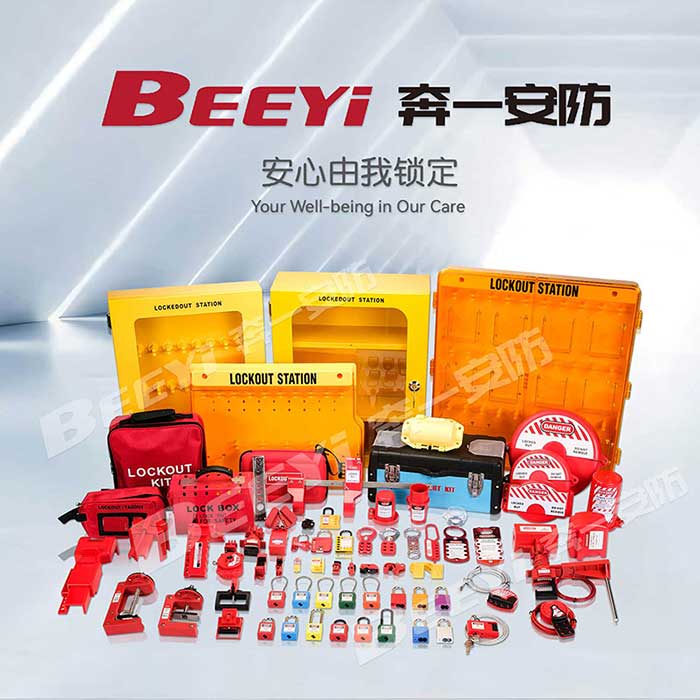
At their core, Safety Padlocks are designed to be robust, durable, and tamper-resistant. Unlike regular padlocks, they often feature materials such as high-strength metals or reinforced plastics. Many models are made from non-conductive materials, making them safe for use in electrical environments. This feature is particularly important for electricians and maintenance personnel who work on live circuits or near energized equipment, as it significantly reduces the risk of electric shock. One of the key advantages of Safety Padlocks is their ability to be uniquely keyed. Each padlock comes with its own distinct key, ensuring that only the individual responsible for locking a piece of equipment can unlock it. This system enhances accountability and ensures that maintenance tasks are completed safely and according to protocol. Furthermore, padlocks are often color-coded, which allows organizations to visually differentiate between departments, types of maintenance work, or levels of hazard. This simple color-coding strategy can dramatically improve safety management and reduce the risk of human error.