In industrial environments, safety is always a top priority, especially when workers are tasked with maintaining, repairing, or operating complex machinery. One of the most critical safety practices designed to prevent workplace injuries related to hazardous energy is the Safety Lockout/Tagout (LOTO) procedure. These procedures ensure that machinery or equipment is safely shut down and remains inoperative during maintenance, thereby preventing the accidental release of hazardous energy. This article will delve into the importance, steps, and best practices of Lockout/Tagout procedures.
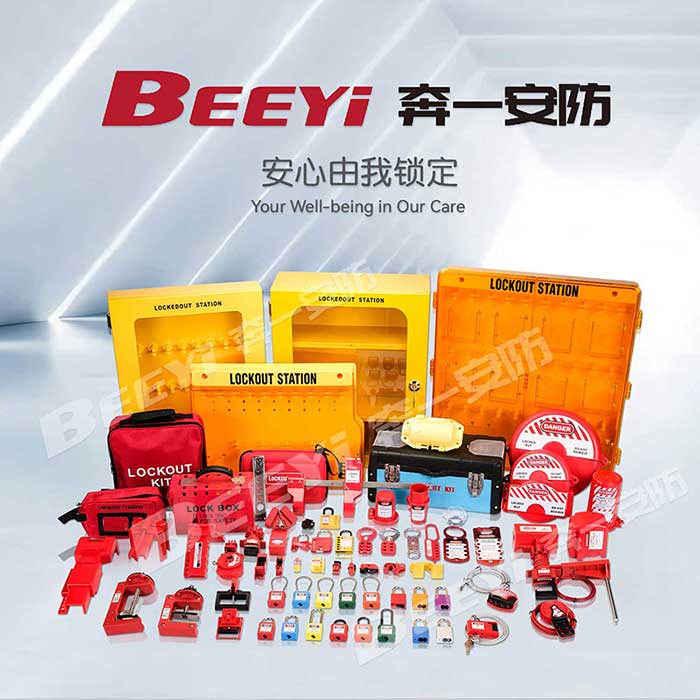
What is Safety Lockout/Tagout? Safety Lockout/Tagout refers to a set of standardized procedures designed to isolate and secure energy sources during maintenance or servicing of machinery and equipment. The procedures involve placing locks and tags on energy-isolating devices, such as switches or valves, to prevent unintended activation. The aim is to protect workers from injuries caused by the unexpected release of energy while performing their tasks. Energy, in this context, can come in many forms, including electrical, mechanical, hydraulic, pneumatic, thermal, or chemical. Without proper safeguards in place, any of these energy sources could cause serious injuries, such as electric shocks, burns, or even amputations. Lockout/Tagout procedures mitigate these risks by ensuring that machinery cannot be accidentally restarted or energized while workers are in the process of maintaining or repairing it.