In industrial and manufacturing environments, safety is always the top priority, particularly when it comes to the operation and maintenance of complex machinery and equipment. One of the most effective safety protocols to prevent workplace accidents and injuries is the Safety Lockout Tagout (LOTO) procedure. LOTO ensures that hazardous energy sources are properly isolated and controlled during maintenance or repair activities, thus preventing unintentional machine startups or the release of stored energy that could harm workers. This article explores the importance of the Lockout Tagout procedure, its key components, and how it contributes to workplace safety.
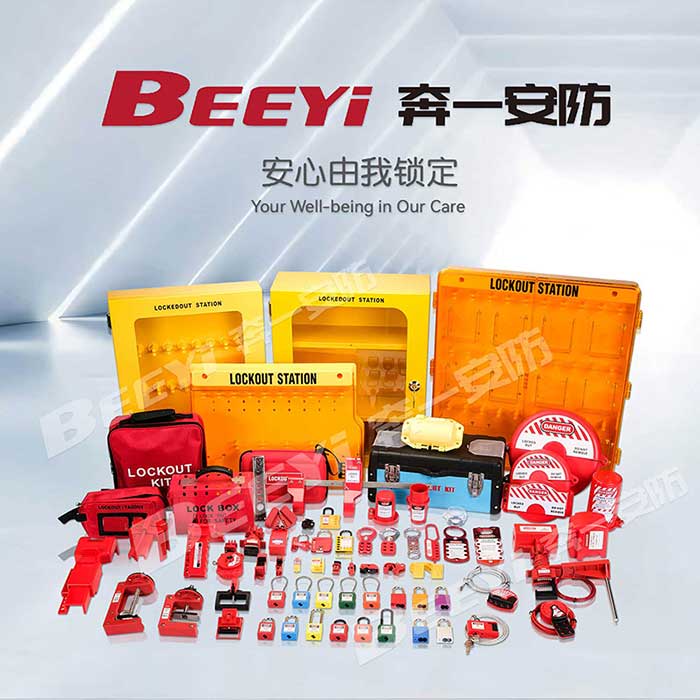
What is Safety Lockout Tagout (LOTO)? Safety Lockout Tagout refers to a set of safety procedures used to prevent the accidental release of hazardous energy while workers perform maintenance or repair tasks on machines or equipment. These procedures involve the use of locks and tags to physically and visually secure energy sources, ensuring that they cannot be activated until maintenance is complete and the equipment is safe for operation again. The term lockout refers to the practice of physically isolating energy sources by placing a lock on an energy-isolating device (such as a power switch, valve, or circuit breaker), preventing the equipment from being turned on. The tagout part of the procedure involves placing a clearly visible warning tag on the lock or device, indicating that the equipment should not be operated until it is safe to do so.