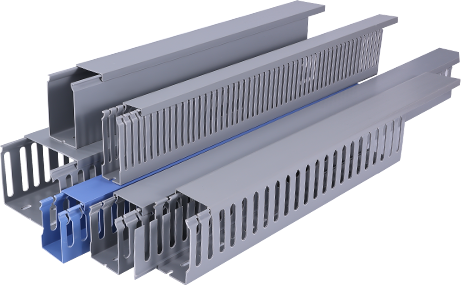
When designing or renovating a residential space, many homeowners focus on aesthetic choices like paint colors, furniture layouts, and flooring materials, often overlooking a behind-the-scenes system that powers every part of daily life: residential electrical duct. This unassuming network of protective conduits and pathways organizes electrical wiring throughout a home, playing a far more critical role in safety, functionality, and long-term property value than most people realize. Unlike exposed wiring that can become damaged over time or create tripping hazards, properly installed electrical duct contains all wiring in a structured, protected space, reducing risks and making future upgrades far simpler. For modern homes that rely on dozens of electronic devices, major appliances, and smart home systems, a high-quality residential electrical duct system is not just a building code requirement—it is an investment in long-term comfort and safety.
First, understanding the core purpose of residential electrical duct helps clarify why it deserves careful attention during construction or renovation. At its most basic level, electrical duct is designed to protect electrical wiring from physical damage, moisture, extreme temperatures, and corrosive materials that could degrade insulation over time. In unfinished spaces like basements, attics, and crawl spaces, wiring left unprotected is vulnerable to damage from rodents, accidental impacts during storage changes, or moisture buildup that can cause short circuits. By containing wiring within rigid or flexible ducts, homeowners eliminate these risks, significantly reducing the chance of electrical fires or shock hazards that put families and property at risk. Building codes across most regions now require enclosed wiring in most residential areas precisely because of these safety benefits, making proper duct installation a non-negotiable part of compliant home construction.
Secondly, residential electrical duct systems bring significant practical benefits that improve everyday functionality and simplify future home upgrades. A well-designed duct system organizes wiring by purpose—separating power wiring for outlets, lighting wiring, low-voltage wiring for internet and home entertainment, and dedicated lines for major appliances like electric ovens or water heaters. This organization not only makes it easier for electricians to troubleshoot problems when they occur, but it also allows homeowners to add new circuits or upgrade existing wiring without tearing into walls or ceilings. For example, if you decide to add a home office or a hot tub in your backyard years after construction, an existing duct system with extra available pathways can cut down on installation time and cost significantly, compared to a home with unorganized, exposed wiring. This flexibility is especially valuable as homes become more dependent on technology, with new smart devices and high-power appliances entering the market every year.
Additionally, there are several common types of residential electrical duct, each with specific use cases that homeowners and contractors should consider based on the location and needs of the space. Rigid metal ducts, made from galvanized steel or aluminum, are most commonly used in exposed areas like basements or commercial-grade residential garages, as they offer maximum physical protection and fire resistance. Flexible non-metallic ducts, often made from PVC or reinforced plastic, are ideal for running wiring through finished walls, ceilings, or tight corners where rigid duct would be difficult to install. Low-voltage ducts, designed specifically for internet, cable, and home security wiring, are often smaller and separate from main power ducts to prevent electromagnetic interference that can disrupt signal quality. Choosing the right type of duct for each area of the home ensures that the system performs as expected for decades, without requiring premature replacement or repairs.
Furthermore, poor installation or outdated residential electrical duct systems can create hidden risks that only become apparent after years of use. Older homes built before modern electrical codes often have wiring run through unprotected holes in wall studs, with no ductwork to contain it. Over time, the sharp edges of the wood can wear through wiring insulation, leading to exposed live wires that can cause fires. Duct systems that are overloaded with too many wires can also overheat, increasing fire risk, while ducts installed too close to water pipes or in damp areas can corrode, leading to structural failure of the duct itself. For homeowners considering buying an older home or renovating a property built more than 30 years ago, a full inspection of the existing electrical duct system is a critical step to identify these hidden hazards before they become dangerous problems.
Finally, investing in a high-quality residential electrical duct system during construction or renovation adds long-term value to a property, making it more attractive to future buyers and reducing long-term maintenance costs. When potential buyers or home inspectors evaluate a property, a properly installed, up-to-code electrical system is a major selling point, as it signals that the home has been well-maintained and does not require immediate costly repairs. It also eliminates the need for future homeowners to undergo messy, expensive rewiring projects, which can add tens of thousands of dollars to the cost of updating an older home. While the upfront cost of a quality duct system may be slightly higher than shortcuts like exposed wiring, the long-term savings in safety, maintenance, and property value far outweigh the initial investment.
In conclusion, residential electrical duct is an unsung hero of modern home construction, providing critical safety protection, functional flexibility, and long-term value that every homeowner can benefit from. Whether you are building a new home, renovating an existing property, or evaluating the condition of an older home, taking the time to ensure your electrical duct system is properly designed, installed, and maintained will pay off for decades to come. By prioritizing this hidden but essential component of your home’s infrastructure, you can protect your family, reduce the risk of costly electrical problems, and ensure your home can adapt to the changing technology and lifestyle needs of the future.