In modern automobiles, the electrical system is a complex network that powers everything from ignition to infotainment. Two essential components within this system are relays and fuses. While both play crucial roles in ensuring the safety and functionality of a vehicle’s electrical components, their purposes and operations are distinct. This article delves into the differences between relays and fuses in cars, shedding light on how each contributes to a vehicle’s performance and safety.
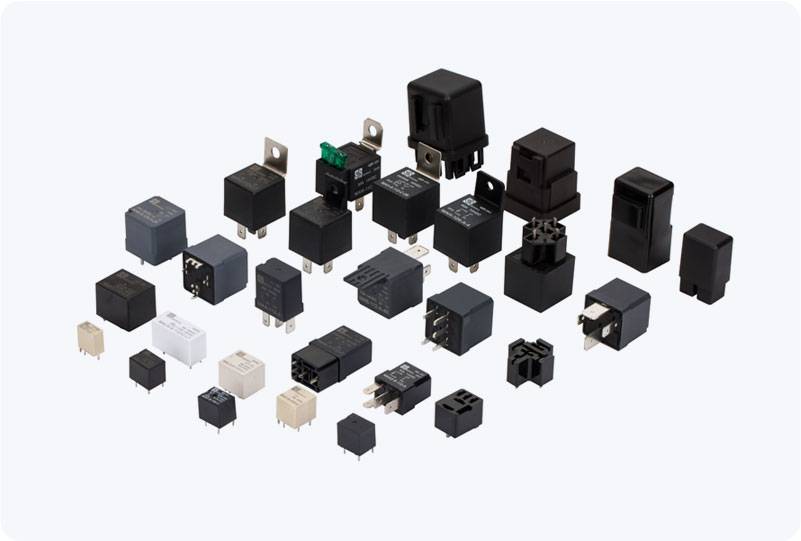
What is a Relay? A relay is an electromagnetic switch designed to control the flow of electricity in a circuit. It consists of a coil, an armature, and a set of contacts. When current flows through the coil, it generates a magnetic field that moves the armature, which in turn opens or closes the contacts. This action allows a low-voltage circuit to control a higher-voltage circuit, making relays invaluable in automotive applications where high current is needed. Functionality of Relays in Cars Control High-Current Devices: Relays are used to turn on and off high-current loads such as headlights, fuel pumps, and electric motors. By using a relay, manufacturers can utilize a lower gauge wire to control these devices, leading to weight savings and improved efficiency.