When it comes to a car’s electrical system, many components work together to ensure everything functions smoothly. Among these components, relays and fuses are essential parts that often get overlooked by many car owners. While both of these components are crucial for the proper functioning of a car’s electrical system, they serve entirely different purposes. In this article, we will explore the roles of relays and fuses in a car, highlighting their differences, functions, and importance in maintaining the safety and efficiency of a vehicle’s electrical network.
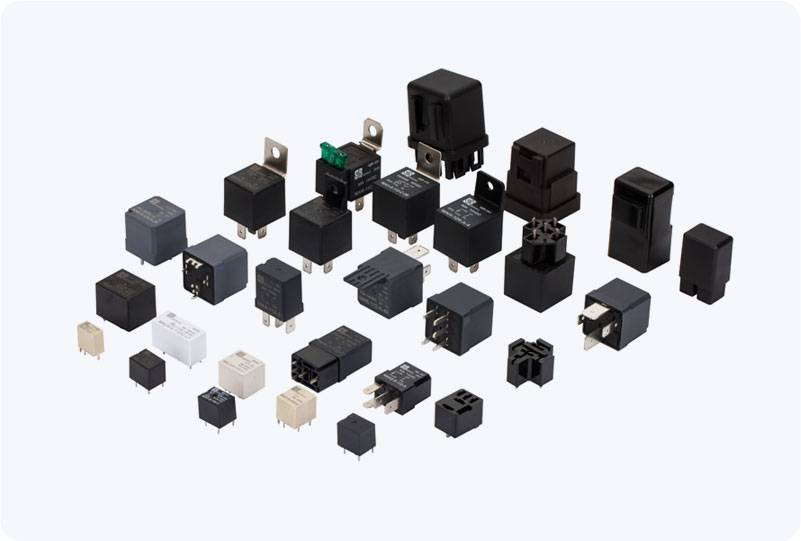
What is a Relay? A relay is an electrical switch that allows a low-power signal to control a high-power circuit. Essentially, it acts as an intermediary that enables a small current to control a much larger current, which is often necessary to operate heavy-duty components like a starter motor, fuel pump, or headlights. Relays are typically composed of a coil of wire (the electromagnet) and a set of contacts. When a small electrical current flows through the coil, it generates a magnetic field that pulls or pushes the contacts together, allowing a much larger current to pass through the circuit. This is especially useful in applications where direct control of a high-power circuit might be difficult or inefficient.