Selecting the right relay type for an electrical control system is crucial for ensuring reliable operation, minimizing system failures, and optimizing efficiency. A relay is an electrically operated switch that opens and closes under the influence of an electric current or voltage, widely used in automation, circuit protection, signal conversion, and other applications. This article explores the key factors to consider when selecting a relay, including voltage and current ratings, contact configurations, relay types, response time, and environmental conditions.
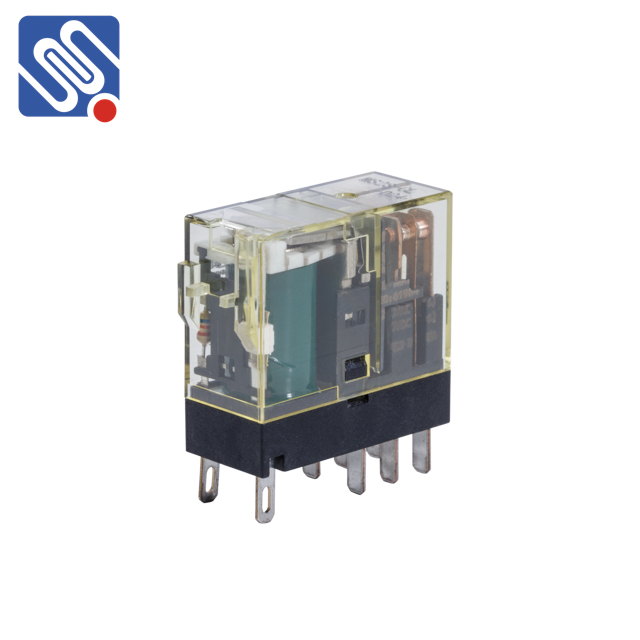
Understanding Relay Basics A relay is essentially an electromagnetic switch that can control the opening and closing of contacts based on an electrical signal. The decision to choose a specific relay type is influenced by several factors such as the nature of the load, operating conditions, and the required switching capacity. Relays come in a variety of forms, each suited for specific applications, such as electromagnetic relays, solid-state relays, and thermal relays. Understanding these relay types and their characteristics is essential for making the right choice. Key Factors in Relay Type Selection