Relay troubleshooting is a crucial skill for anyone working with electrical systems, as relays are often the linchpins in controlling circuits in various devices. A relay is an electrically operated switch that uses a small current to control a larger one, making it an essential component in industries ranging from automotive to industrial automation. However, like any electrical component, relays are susceptible to malfunction. In this article, we will explore the common issues encountered in relay troubleshooting and the methods to resolve them.
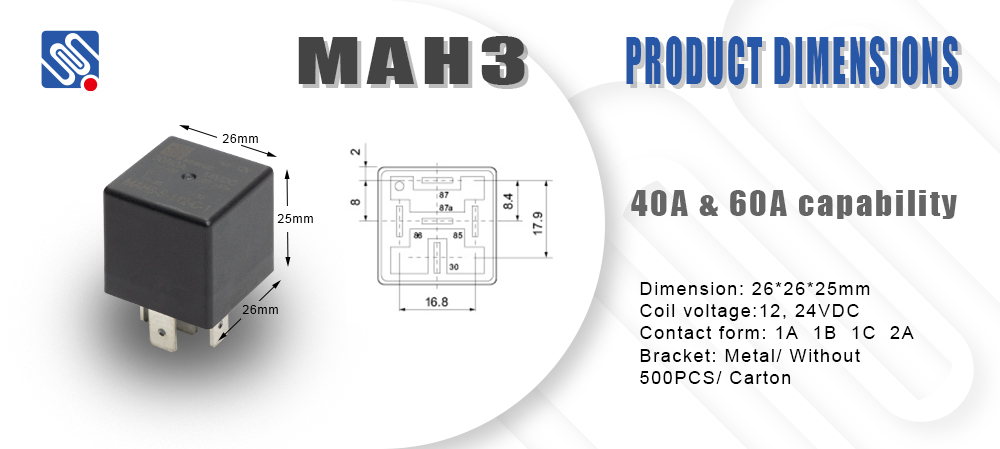
1. Understanding the Role of a Relay Before diving into troubleshooting, it’s essential to understand how a relay works. A relay typically consists of an electromagnet (coil), an armature, a set of contacts, and a spring. When an electric current is passed through the coil, it creates a magnetic field that pulls the armature, causing the contacts to either open or close, depending on the relay’s design. This simple mechanism allows a small electrical signal to control the switching of a larger current. However, because relays handle large amounts of current, they are prone to wear and tear.