Relay testing is an essential procedure for maintaining the reliability and safety of electrical systems, particularly in power generation, transmission, and distribution networks. Protective relays play a crucial role in safeguarding electrical equipment from damage caused by faults such as short circuits, overloads, and ground faults. Relay testing ensures that these relays function correctly when needed, providing the necessary protection to prevent catastrophic failures and minimizing downtime.
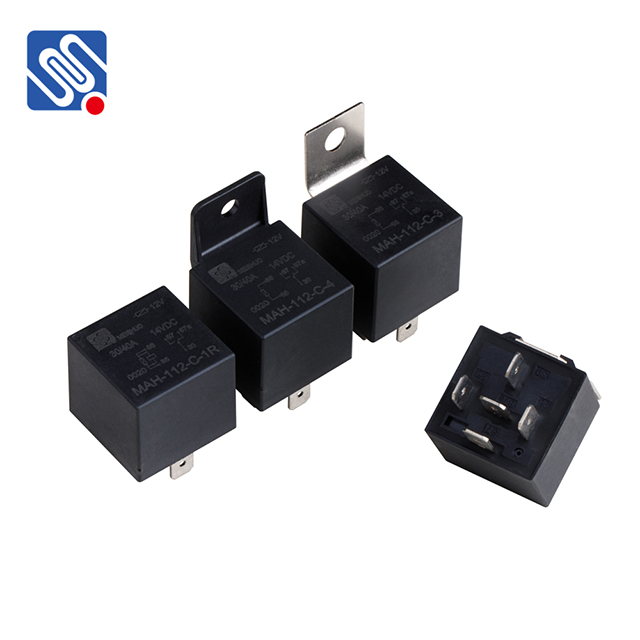
What is Relay Testing? Relay testing is the process of verifying and calibrating protective relays in an electrical system to ensure they operate as expected under fault conditions. A relay is an electromechanical or digital device that monitors specific electrical parameters, such as current, voltage, frequency, and impedance. When the measured parameters deviate from preset limits, the relay activates to disconnect the faulty section of the system. This is done to protect both the electrical equipment and the overall system from damage. The testing process involves simulating different fault scenarios to evaluate how the relay responds. By applying controlled faults, such as short circuits or overcurrent conditions, technicians can assess the relay’s response time, sensitivity, and accuracy. The aim is to confirm that the relay will act within its design specifications to prevent equipment damage and ensure system stability.