Relay stability is a critical concept in control systems, particularly in electrical engineering, automation, and power systems. It involves ensuring that relays — devices that switch electrical circuits on or off based on input signals — function without causing undesirable oscillations, instability, or excessive wear. As relays play a pivotal role in various control systems, achieving relay stability is essential for the reliability and efficiency of many industrial, commercial, and residential applications.
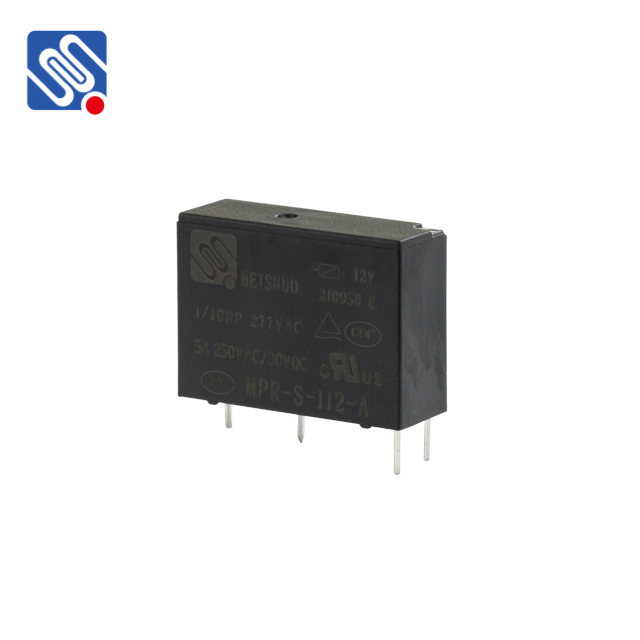
What is Relay Stability? At its core, relay stability refers to the ability of a system that includes relays to operate consistently without excessive oscillations or “chattering.” In control systems, relays often switch between two states based on a control signal. However, if the relay is too sensitive, it can rapidly switch between these states, leading to inefficiency, unnecessary wear on the relay components, and instability in the system. A stable relay is one that responds appropriately to the control signal, turning on or off at the correct time without causing instability in the overall system. Instability in this context usually manifests as oscillations, where the relay turns on and off in an unpredictable or undesired manner. This can result in malfunctioning systems, leading to increased operational costs and even component damage.