In the realm of electronics, telecommunications, and networking, relays play a crucial role in facilitating the transmission and control of signals. As technology evolves and applications become more diverse, the need for thorough relay specifications comparison becomes essential for engineers and decision-makers. Understanding the nuances of different relays can lead to optimal performance, enhanced reliability, and cost-effectiveness in various applications.
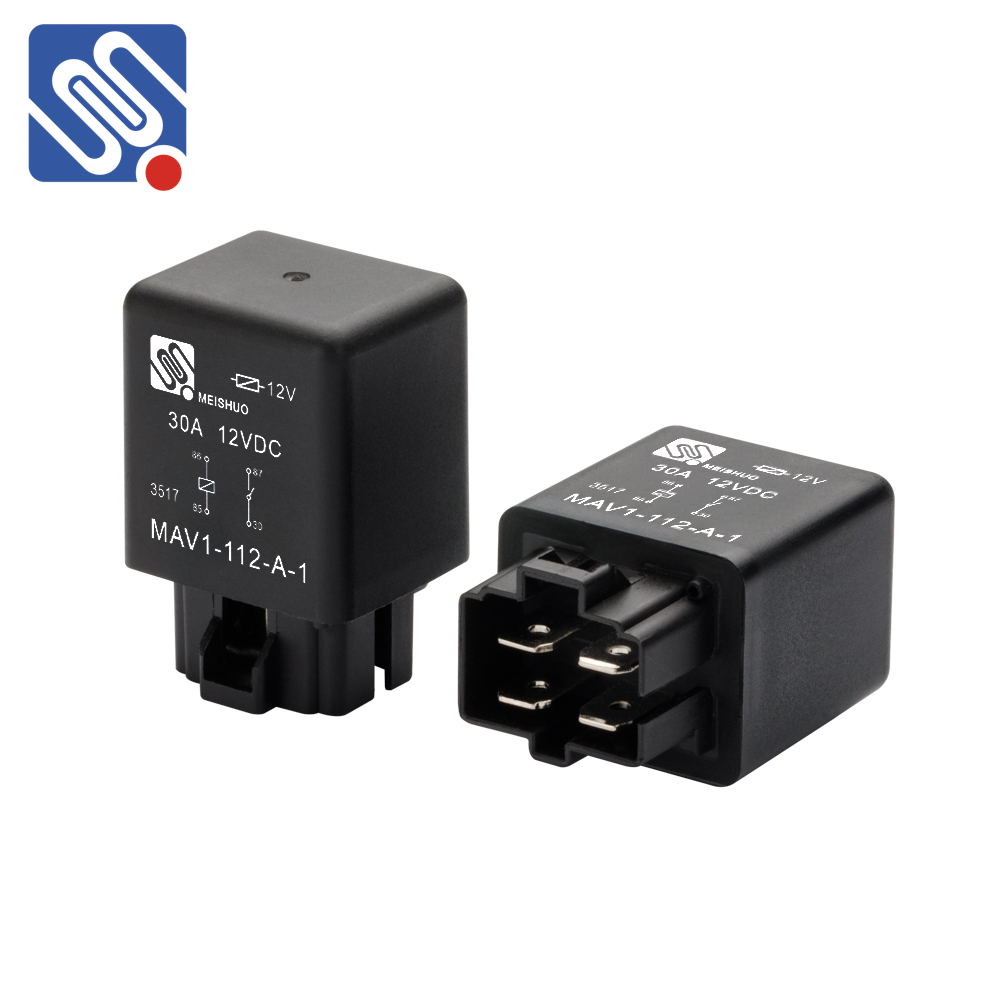
Understanding Relays Before diving into a specifications comparison, it’s important to grasp the fundamental function of a relay. Essentially, a relay is an electrically operated switch that opens and closes circuits. It can control a high-power circuit using a low-power signal, making it pivotal in applications ranging from simple household devices to complex industrial systems. Relays can be categorized into several types, including electromechanical relays (EMRs), solid-state relays (SSRs), and optical relays, each possessing unique characteristics suited to specific scenarios. Key Specifications to Compare