Relays are crucial components in many electronic systems, serving as switches that control the flow of electricity through circuits. A relay operates by using an electromagnet to open or close a set of contacts, enabling a low-power signal to control a higher-power circuit. Given their versatile use in various applications, from home automation to automotive systems and industrial controls, understanding relay specifications is vital for selecting the right relay for specific needs. In this article, we will explore the key features and specifications of relays, along with considerations to keep in mind when selecting one for your application.
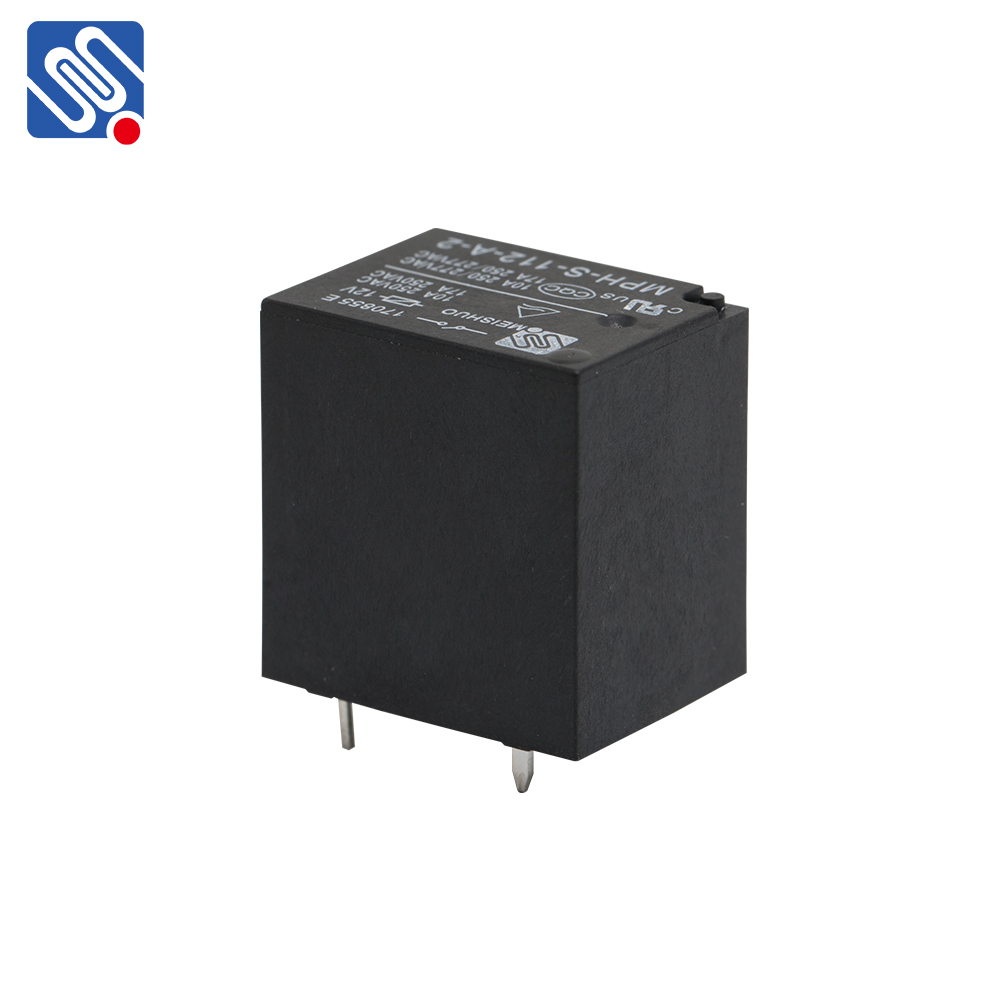
1. Coil Voltage and Current The coil voltage is the electrical potential required to activate the relay’s electromagnetic coil. The most common relay coil voltages are 5V, 12V, and 24V DC, though they can vary based on the application. It’s essential to match the coil voltage to the system’s voltage to ensure reliable performance. If the voltage is too high or too low, the relay may not function properly or may be damaged. The coil current refers to the amount of current required by the relay’s coil to activate it. This specification is equally important because it determines the power consumption of the relay. Relays designed for low-power applications typically require less coil current, whereas relays used in high-power systems may require more.