Relays are essential components in modern electrical and automation systems. They serve as switches that can control high-power circuits with low-power signals, and they play a crucial role in maintaining system reliability and safety. Relay safety features are specifically designed to protect electrical equipment, prevent accidents, and ensure the smooth operation of complex systems. Understanding these safety features is vital for engineers, technicians, and anyone involved in electrical system design or maintenance.
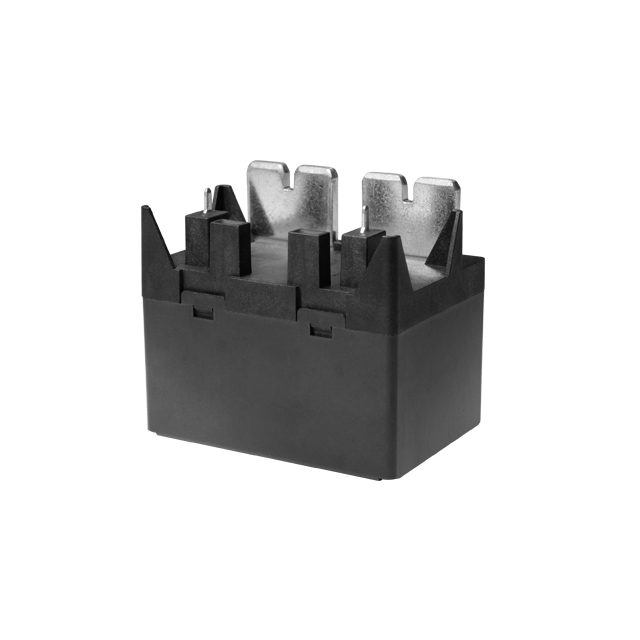
One of the most fundamental safety features of relays is overload protection. Electrical devices often have rated current limits, and exceeding these limits can lead to overheating, equipment damage, or even fire hazards. Overload relays monitor the current flowing through a circuit and automatically disconnect the load when the current exceeds a safe threshold. This protective mechanism prevents long-term damage to motors, transformers, and other connected equipment. Another critical feature is short-circuit protection. A short circuit occurs when electrical current bypasses the intended path, resulting in a sudden surge of current. Relays equipped with short-circuit detection respond almost instantaneously, interrupting the circuit to prevent catastrophic damage. This feature is particularly important in industrial environments, where sudden electrical faults can endanger both machinery and personnel.