When it comes to designing electrical systems, selecting the right relay is crucial to ensure efficiency, safety, and longevity of the circuit. A relay is an electrically operated switch that allows one circuit to control another, making them essential components in a wide range of applications—from automotive systems to industrial automation. This relay procurement guide provides an overview of the key factors to consider when sourcing the perfect relay for your specific needs.
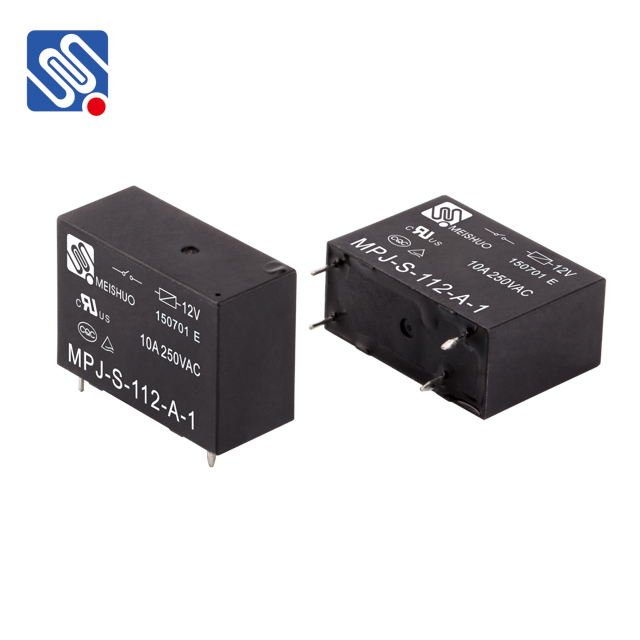
1. Application Requirements Before making a decision, understanding the specific needs of your application is critical. Relays come in various types, each suited for different electrical requirements. The most important consideration is the voltage and current ratings that the relay must handle. Voltage: Relays are available for both low and high voltage applications, so it is essential to match the relay’s voltage rating to your system’s operational voltage. Current: The relay must also be able to handle the expected current load without overheating or failing. Choosing a relay with a current rating that matches or exceeds the maximum current of your circuit is necessary for reliability.