A relay is a fundamental component in electrical and electronic systems, serving as an electrically operated switch that controls high-power circuits using low-power signals. Because relays are widely used in industrial automation, automotive systems, telecommunications, and home appliances, selecting the right relay is crucial for ensuring system reliability, safety, and efficiency. This relay procurement guide provides a structured approach to help engineers, procurement teams, and project managers make informed purchasing decisions.
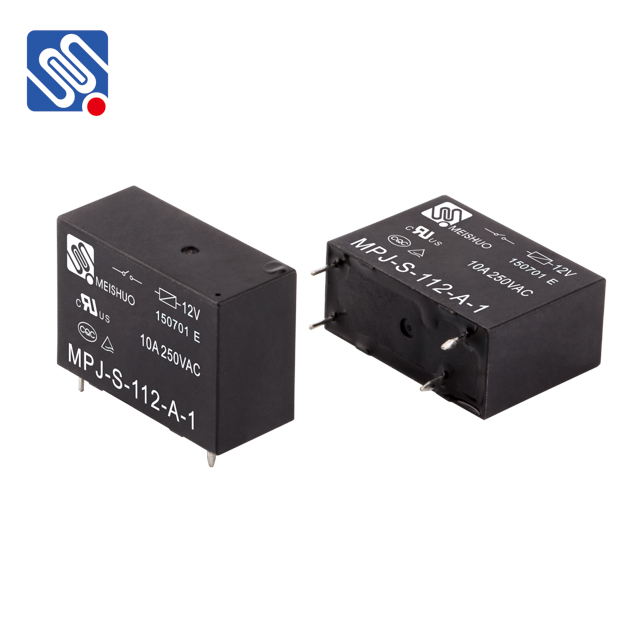
The first step in relay procurement is clearly defining the application requirements. Different applications demand different types of relays. For example, electromagnetic relays are commonly used in general-purpose switching applications, while solid-state relays are preferred in systems requiring fast switching and silent operation. Understanding the load type—whether resistive, inductive, or capacitive—is essential, as it directly impacts the relay’s performance and lifespan. Additionally, factors such as voltage, current, and switching frequency must be carefully evaluated to ensure compatibility with the intended system.