In modern electrical systems, ensuring the protection of critical components like transformers, generators, and transmission lines is of paramount importance. Relay comparison is a widely adopted protection technique that plays a crucial role in safeguarding electrical equipment by detecting faults in a timely and accurate manner. This method leverages the comparison of electrical quantities such as current, voltage, and phase angles to determine whether a fault has occurred. By swiftly disconnecting faulty sections, relay comparison minimizes the potential damage to equipment and improves the reliability of the power system.
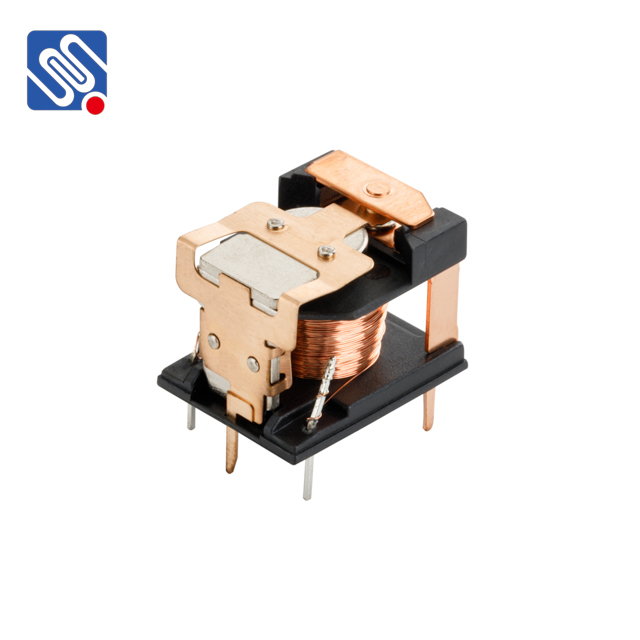
What is Relay Comparison? Relay comparison refers to a protection mechanism that compares different electrical quantities at various points in an electrical circuit. The purpose is to detect discrepancies that indicate faults and trigger protective measures to isolate faulty sections of the system. The most common quantities compared are current, voltage, and phase, depending on the type of relay and protection scheme used. At its core, relay comparison relies on two main approaches: differential protection and phase comparison protection. These techniques have distinct ways of analyzing the data from electrical circuits and determining whether a fault is present.