A power relay is a key electrical component that enables the control of high-power electrical devices through low-power signals. By serving as a bridge between low voltage circuits and high voltage loads, power relays are critical in various applications, from industrial systems to automotive electronics. This article delves into the concept, working principle, types, and typical applications of power relays.
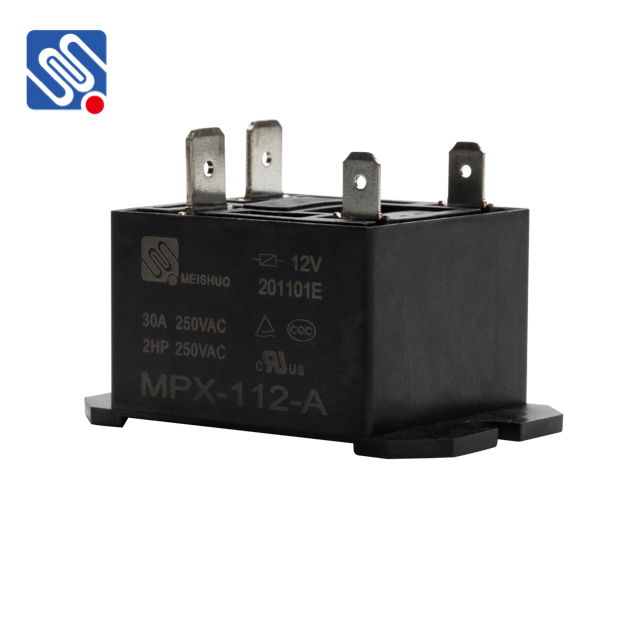
What is a Power Relay? At its core, a power relay is an electromagnetic switch designed to control the flow of electricity to high-power devices using low-power control signals. It is a type of electrical relay that can handle higher currents and voltages compared to standard relays, making it suitable for applications that involve controlling large loads, such as electric motors, heaters, and lighting systems. The power relay works by using a small control current to create an electromagnetic field that actuates mechanical contacts, either opening or closing the circuit to the load. Working Principle