Power relays are vital components in modern electrical systems, serving as efficient switches that help manage and control electrical power. These devices allow a low-power signal to control a high-power circuit, providing a crucial function in both industrial and domestic settings. In this article, we will explore the basic principles of power relays, their applications, and the important role they play in protecting electrical systems from damage.
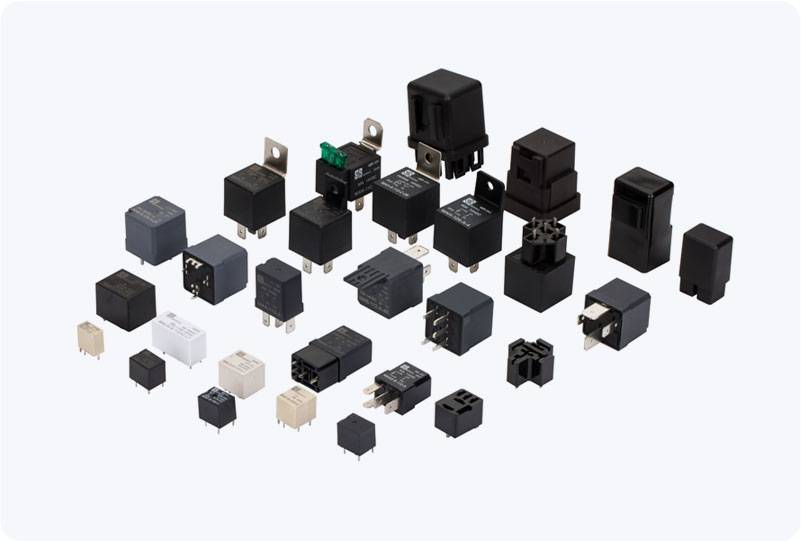
What is a Power Relay? A power relay is an electrically operated switch that uses an electromagnet to open or close contacts in a circuit. The electromagnet is energized by a low-power signal, typically from a control circuit, which then triggers the relay to connect or disconnect the high-power load. This ability to handle high-power circuits using low-power signals makes power relays a vital tool for controlling complex systems and ensuring their safe operation. How Does a Power Relay Work? The operation of a power relay is based on electromagnetic principles. When a current passes through the relay’s coil, it creates a magnetic field. This magnetic field attracts or repels the relay’s armature, which, in turn, moves the relay’s contacts. The contacts are either closed or opened, allowing or interrupting the flow of electricity in the main circuit. The simplicity of this mechanism allows relays to switch large currents and voltages with minimal control effort.