Power relays are indispensable components in modern electrical systems, offering an efficient and reliable way to control high-voltage circuits using low-voltage signals. They play a crucial role in ensuring that electrical devices and automation systems function smoothly, with safety and precision. In this article, we will delve into the working principle, types, applications, and advantages of power relays.
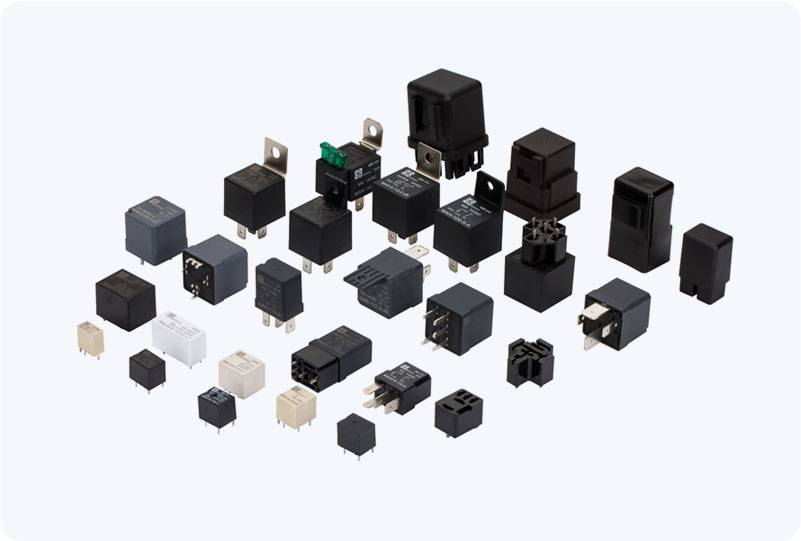
What is a Power Relay? A power relay is an electrically operated switch that uses a small control signal to activate a large current in a high-power circuit. It consists of an electromagnet, a set of contacts, and a spring mechanism. When an electrical current flows through the electromagnet, it generates a magnetic field that moves the contacts, either closing or opening the circuit. This process allows power relays to control high-voltage or high-current devices without requiring manual operation or direct interaction with dangerous electrical systems. Working Principle of Power Relays