Plastic valves for water systems are crucial components in modern plumbing and fluid control systems. These valves help regulate the flow of water and other liquids, ensuring efficient operation and safety within a variety of applications, from residential plumbing to industrial processes. Made from durable, corrosion-resistant materials such as PVC, CPVC, and PPR, plastic valves have become increasingly popular due to their cost-effectiveness, longevity, and ease of installation. This article explores the various types of plastic valves, their advantages, and their role in water systems.
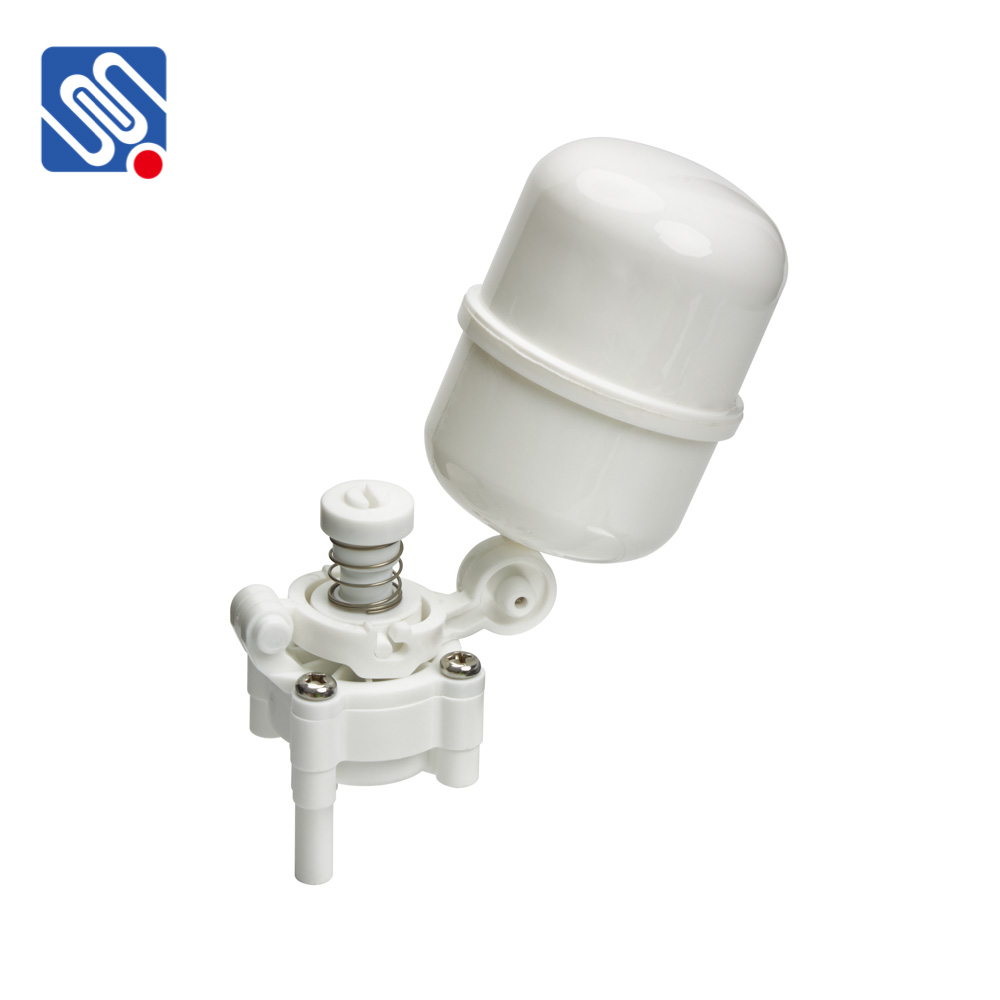
1. Introduction to Plastic Valves for Water Systems Plastic valves are engineered to control the flow of water through pipes in residential, commercial, and industrial water systems. Unlike traditional metal valves, plastic valves do not rust or corrode, making them ideal for long-term use in water applications. These valves can withstand the challenges of exposure to moisture, chemicals, and varying temperatures, making them versatile for a wide range of industries, including plumbing, agriculture, and chemical processing. 2. Materials Used in Plastic Valves The most commonly used materials for plastic valves are PVC (Polyvinyl Chloride), CPVC (Chlorinated Polyvinyl Chloride), and PPR (Polypropylene Random Copolymer). Each material has unique properties that make it suitable for specific applications: