Plastic solenoid valves play a crucial role in the control of fluid flow within various systems, offering advantages such as chemical resistance, durability, and cost-efficiency. These valves, which operate through the electromagnetic action of a solenoid, are becoming increasingly popular across industries where metal valves might be too costly or vulnerable to corrosion. With the growing demand for efficient and reliable fluid control, plastic solenoid valves are a key component in numerous applications, ranging from water treatment to chemical processing and beyond.
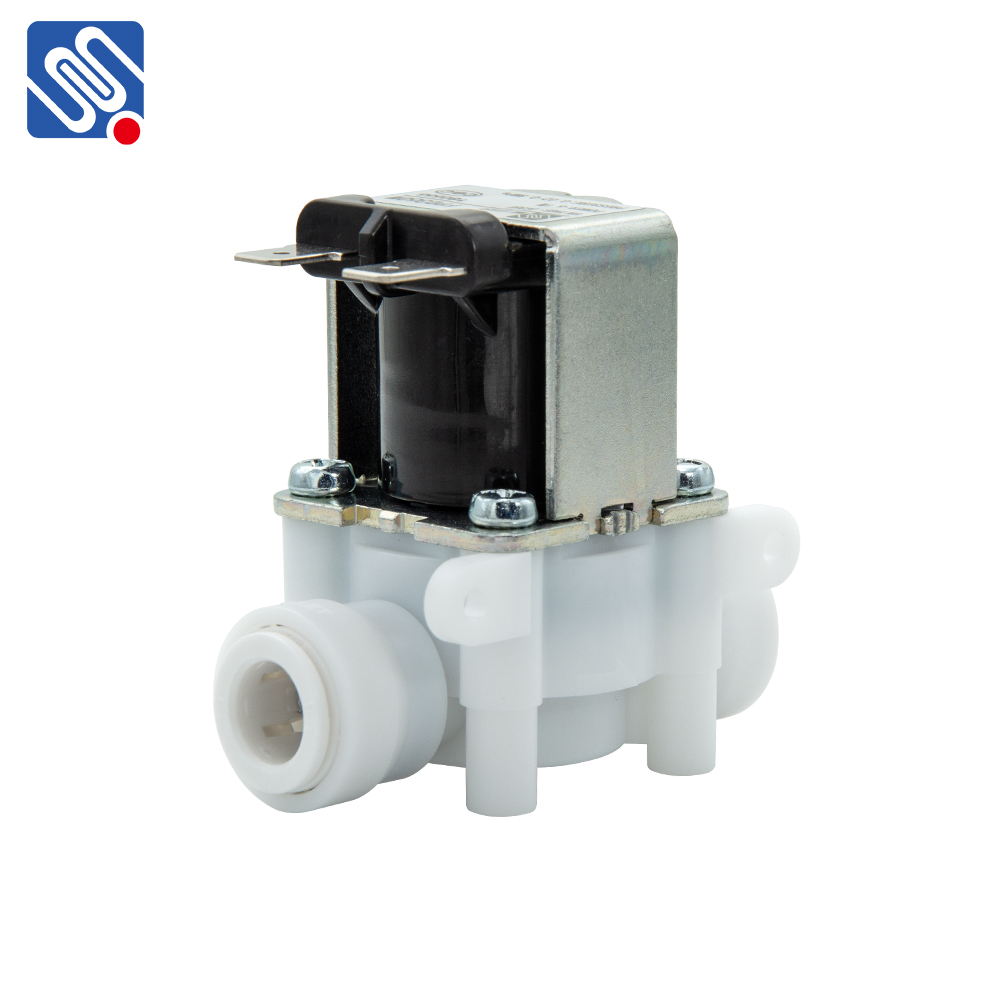
What is a Plastic Solenoid Valve? A plastic solenoid valve is an electromechanical valve used to regulate the flow of liquids or gases within a pipeline or system. It is controlled by an electrical current that energizes a solenoid coil, which in turn actuates a plunger, opening or closing the valve. The main advantage of using plastic in the valve construction is its resistance to corrosion, which makes these valves ideal for use in aggressive environments where metal valves would typically fail. The materials used in plastic solenoid valves, such as PVC, polypropylene, PTFE, and PVDF, offer excellent chemical resistance and durability. These materials are particularly effective in handling harsh chemicals, acidic or alkaline solutions, and other aggressive fluids. In addition, plastic solenoid valves are lightweight, cost-effective, and easy to install, making them an attractive option in many industries.