PCB electromagnetic relays are essential components in the field of modern electronics, used to control high-power circuits with low-power signals. These relays play a significant role in various applications, from household appliances to industrial automation systems. In this article, we will explore the working principle, features, applications, and importance of PCB electromagnetic relays in modern electronic systems.
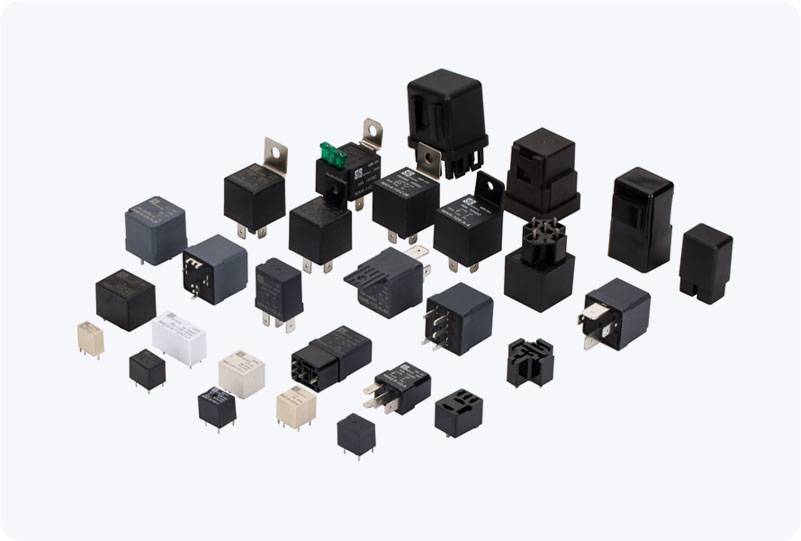
What is a PCB Electromagnetic Relay? A PCB electromagnetic relay is an electromechanical device that uses an electromagnetic coil to switch a set of contacts, enabling control over an electrical circuit. This type of relay is specifically designed to be mounted on a printed circuit board (PCB), making it an integral part of many electronic devices. The relay’s function is to allow low-power control circuits to switch high-power devices without direct electrical contact between the two. Working Principle The working principle of an electromagnetic relay is based on the interaction between a magnetic field and a mechanical system. When an electric current flows through the coil of the relay, it generates a magnetic field. This magnetic field attracts a movable armature, which, in turn, causes the contacts to either open or close. When the current to the coil is turned off, the magnetic field collapses, and a spring mechanism returns the armature to its original position, causing the contacts to revert to their default state.