The global shift toward electric vehicles (EVs) has led to a growing need for robust and efficient power management systems. One crucial component that contributes to the safe operation of these systems is the relay, and Panasonic EV Relay stands at the forefront of this technology. Designed specifically for high-voltage applications in electric vehicles, Panasonic’s EV Relay ensures the smooth operation of power circuits while maintaining safety, efficiency, and durability. This article explores the features, applications, and importance of the Panasonic EV Relay in the world of electric vehicles.
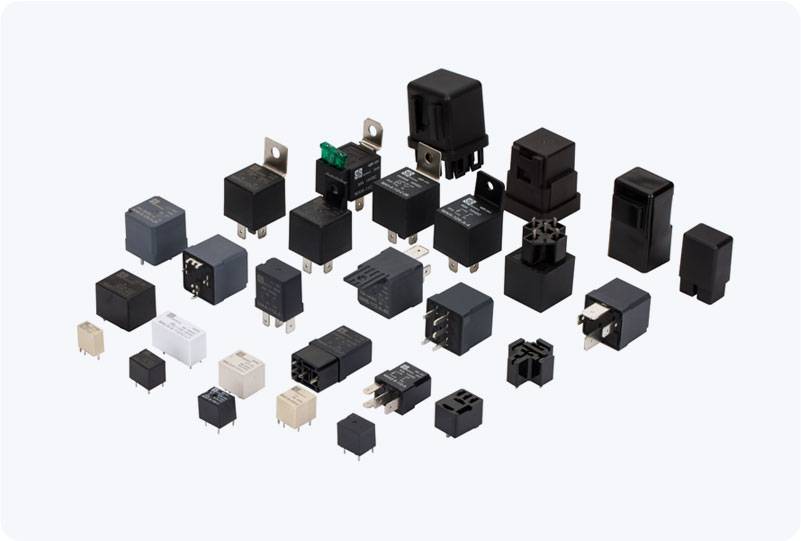
What is the Panasonic EV Relay? At its core, a relay is an electromechanical device used to control the flow of electrical power within a circuit. The Panasonic EV Relay is engineered to manage high-voltage currents in electric vehicles, especially in power-hungry components such as the battery management system (BMS), electric drive system, and charging system. It works by opening and closing contacts to allow or interrupt the flow of electrical power, ensuring that the high-voltage systems operate smoothly and safely. Key Features of the Panasonic EV Relay High Voltage Tolerance