In industries where heavy machinery and complex electrical systems are used, worker safety is paramount. One of the key safety systems that help protect workers from hazardous energy sources during maintenance and repairs is the Lockout/Tagout (LOTO) system. Within this system, the padlock for LOTO plays a critical role in ensuring that equipment is properly locked and cannot be inadvertently started while maintenance is being carried out. In this article, we will explore the importance of padlocks in the LOTO process, how they are used, and why they are essential for workplace safety.
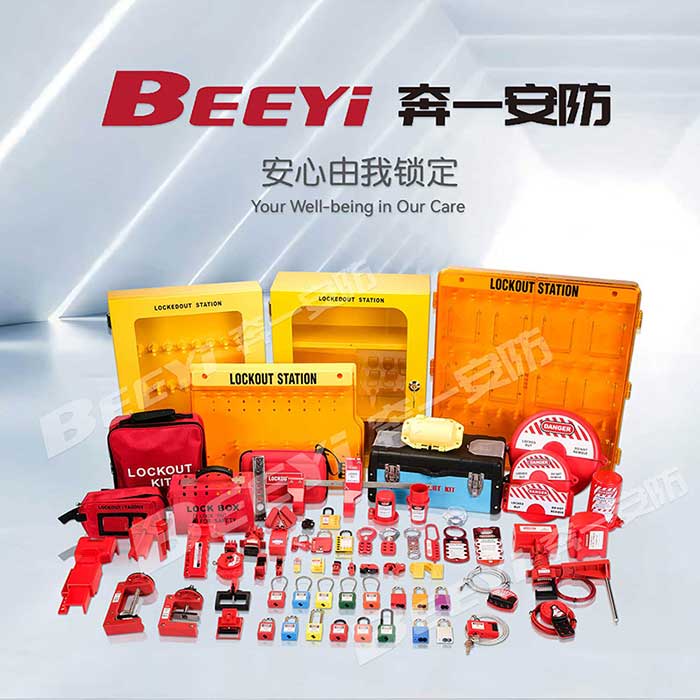
What is LOTO? LOTO stands for Lockout/Tagout, which is a safety procedure used in industrial settings to prevent the accidental release of hazardous energy during maintenance activities. Hazardous energy can take many forms, including electrical, mechanical, hydraulic, pneumatic, chemical, thermal, or gravitational. When workers perform maintenance or service tasks on equipment, they must ensure that all energy sources are effectively isolated and rendered inoperable. This is where the padlock for LOTO comes into play. The LOTO procedure involves two main components: Lockout: The physical locking of energy-isolating devices using locks (padlocks) to prevent the equipment from being turned on.