An overload relay is a critical component in electrical systems designed to protect electric motors from damage caused by excessive current or prolonged operation under load. Electric motors are widely used in industrial, commercial, and residential applications to drive pumps, fans, compressors, and many other machines. However, like any electrical device, motors are susceptible to overheating and failure if they operate beyond their designed limits. The overload relay plays a vital role in preventing such damage, ensuring both safety and longevity of motor-driven equipment.
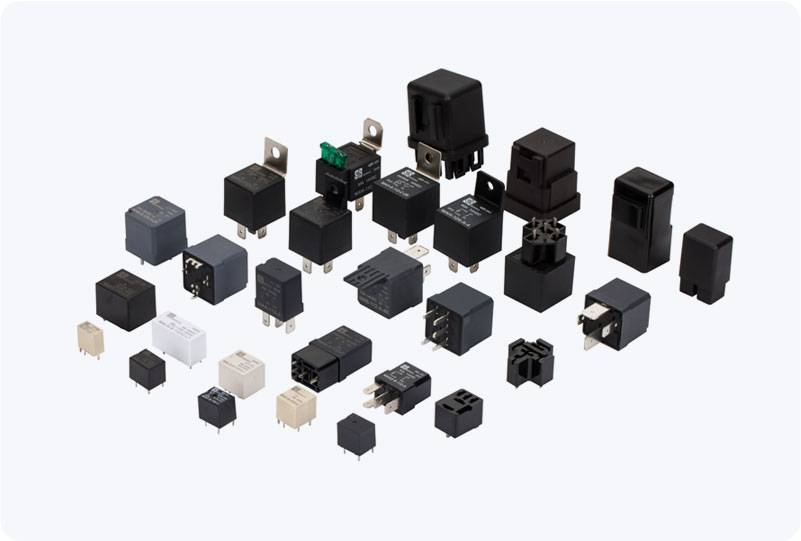
The primary function of an overload relay is to monitor the current flowing to the motor and disconnect the power supply if the current exceeds a preset limit for a certain period. This limit is typically set slightly above the motor’s rated current to allow normal startup surges without tripping. By doing so, the relay prevents the motor from overheating due to prolonged overcurrent, which could lead to insulation breakdown, mechanical damage, or even fire. Overload relays are commonly categorized into two main types: thermal overload relays and electronic overload relays. Thermal overload relays operate based on the heat generated by the motor current. They usually consist of a bimetallic strip that bends when heated, triggering a mechanical mechanism to break the circuit once the temperature exceeds a predetermined level. These relays are simple, reliable, and cost-effective, making them suitable for many industrial applications. However, they respond more slowly and may be less accurate under fluctuating current conditions.