Overload protection relays play a critical role in safeguarding electrical systems, particularly motors, transformers, and other equipment that rely on controlled electrical flow. These relays are designed to detect excessive current levels and protect electrical circuits from damage caused by overloading, short circuits, or other forms of electrical malfunction. In this article, we will explore the importance, working principles, types, and applications of overload protection relays in industrial and commercial settings.
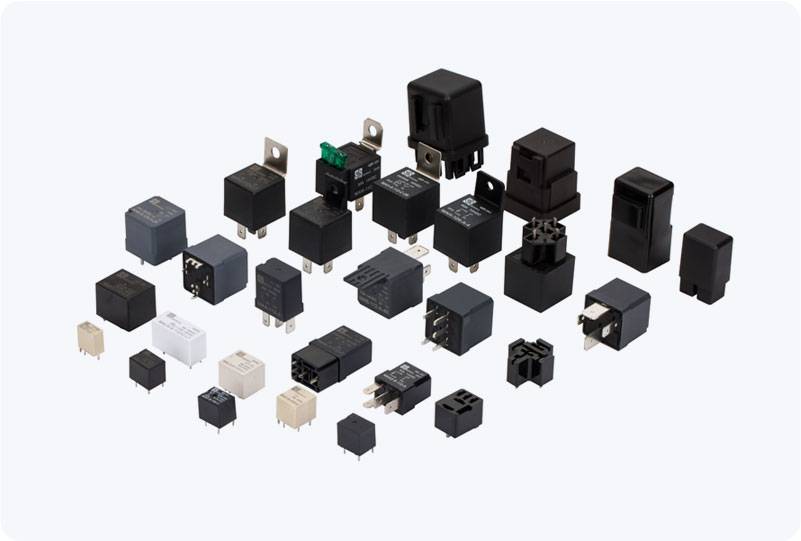
What is an Overload Protection Relay? An overload protection relay is a protective device that monitors the electrical current flowing through a circuit. When the current exceeds the preset threshold, typically defined as the equipment’s rated current, the relay disconnects the circuit to prevent damage. Overloads can occur due to various reasons, such as mechanical failures, excessive operational loads, or system malfunctions. Overload protection relays ensure that the equipment does not sustain damage due to these abnormal conditions. Working Principle of Overload Protection Relay The fundamental principle behind an overload protection relay lies in its ability to sense the flow of electric current. A typical relay consists of an electromagnetic mechanism, which detects an increase in the current level. When the current surpasses the set threshold, the relay activates a mechanism that interrupts the electrical flow. This action prevents overheating, burning out of motor windings, or any other damage to the electrical components.